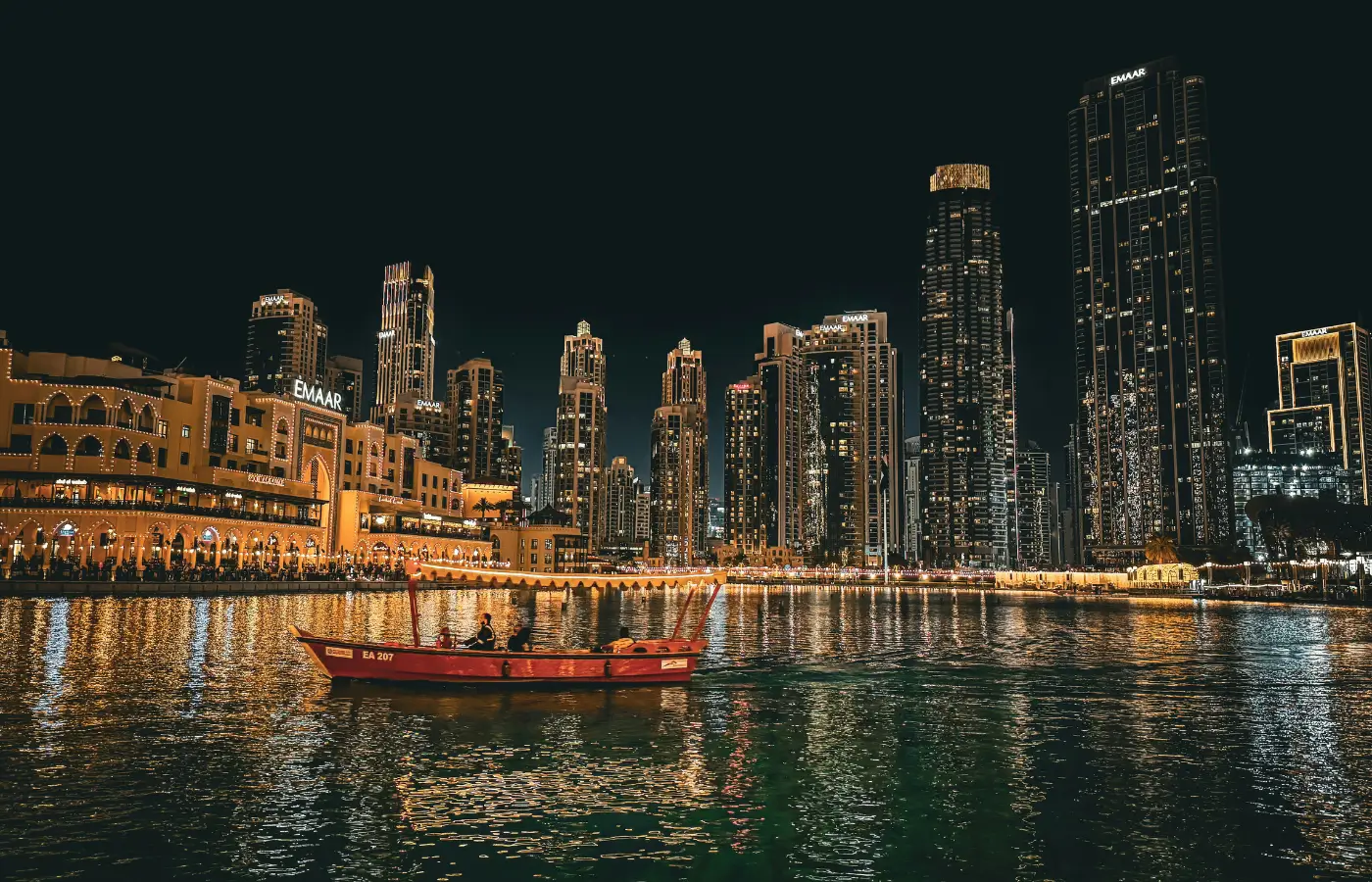

Once viewed as a strategic satellite location, Dubai is now increasingly chosen as a primary base for international family offices managing long-term, cross-border capital. This shift reflects more than lifestyle or tax considerations – it points to growing confidence in Dubai’s regulatory depth, governance frameworks, and ability to support complex, multi-generational wealth structures.
As global families place greater emphasis on capital preservation, succession planning, and jurisdictional certainty, Dubai’s institutional infrastructure is emerging as a decisive advantage rather than a complementary option.
Original article: Dubai emerges as primary base for global family offices ahead of 2026 summit by Arabian Business.

Key Insights:
Regulatory Clarity is Becoming a Competitive Advantage
Policy enhancements and ongoing initiatives within the Dubai International Financial Centre have created a framework that resonates with sophisticated private capital. For family offices, clarity around regulation, transparency, and legal recourse is foundational, particularly when managing intergenerational wealth.
Investors are prioritizing stable jurisdictions that support governance and risk management. Dubai’s progress in this area positions it favorably alongside more established global financial centers, while offering access to faster-growing regional markets.
Family Offices are Emerging as Influential Capital Allocators
The growing focus on identifying private pools of capital highlights a broader shift in global investment dynamics. Family offices are increasingly acting independently of traditional institutional channels, deploying capital directly across private equity, real assets, and alternative investments.
This trend reinforces Dubai’s role as a connector market. As more family offices base themselves in the region, the depth and diversity of available private capital increases, supporting a more resilient and self-sustaining investment ecosystem.
Long-term Private Capital Supports Market Maturity
Family offices are, by nature, patient investors. Their presence tends to reinforce stability rather than volatility. The article’s examples of transactions and partnerships emerging from the summit reflect how relationship-driven capital can translate into tangible, long-term commitments.
For the broader market, this type of participation is a marker of maturity. It suggests a shift away from opportunistic inflows toward sustained engagement – a dynamic that strengthens confidence across asset classes and investment horizons.
A Structural Shift in Where Global Wealth Operates
Dubai’s emergence as a primary base for family offices reflects a deeper recalibration in how global wealth is structured and deployed. Capital today is gravitating toward jurisdictions that offer consistency, credibility, and the ability to operate across cycles. The city’s appeal lies less in short-term incentives and more in its capacity to support enduring investment strategies with institutional-grade certainty.
This trend also leads to a maturing investor mindset. As family offices consolidate decision-making in Dubai, they bring with them longer time horizons, governance discipline, and a preference for assets that balance growth with resilience. That combination tends to favor markets where regulation is clear, liquidity is improving, and long-term fundamentals are intact.
For the wider investment landscape, this shift reinforces Dubai’s role as a stable bridge between regions rather than a transient capital destination. The concentration of patient private capital strengthens market depth, supports price stability, and encourages thoughtful development across asset classes.
Dubai is now retaining, anchoring, and shaping how capital is deployed for the long term. That evolution is a powerful indicator of confidence, and one that continues to redefine the city’s position in global wealth management.