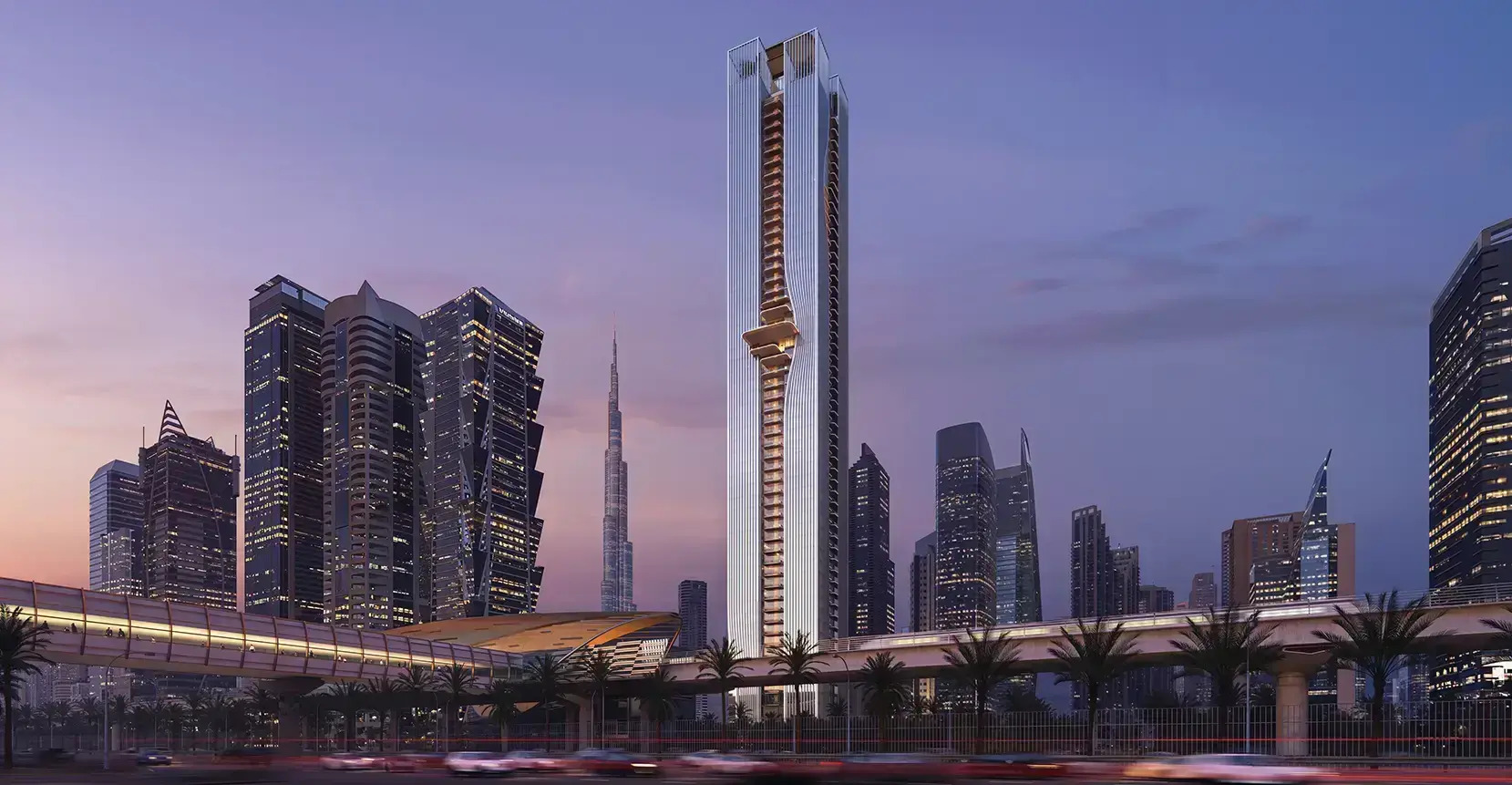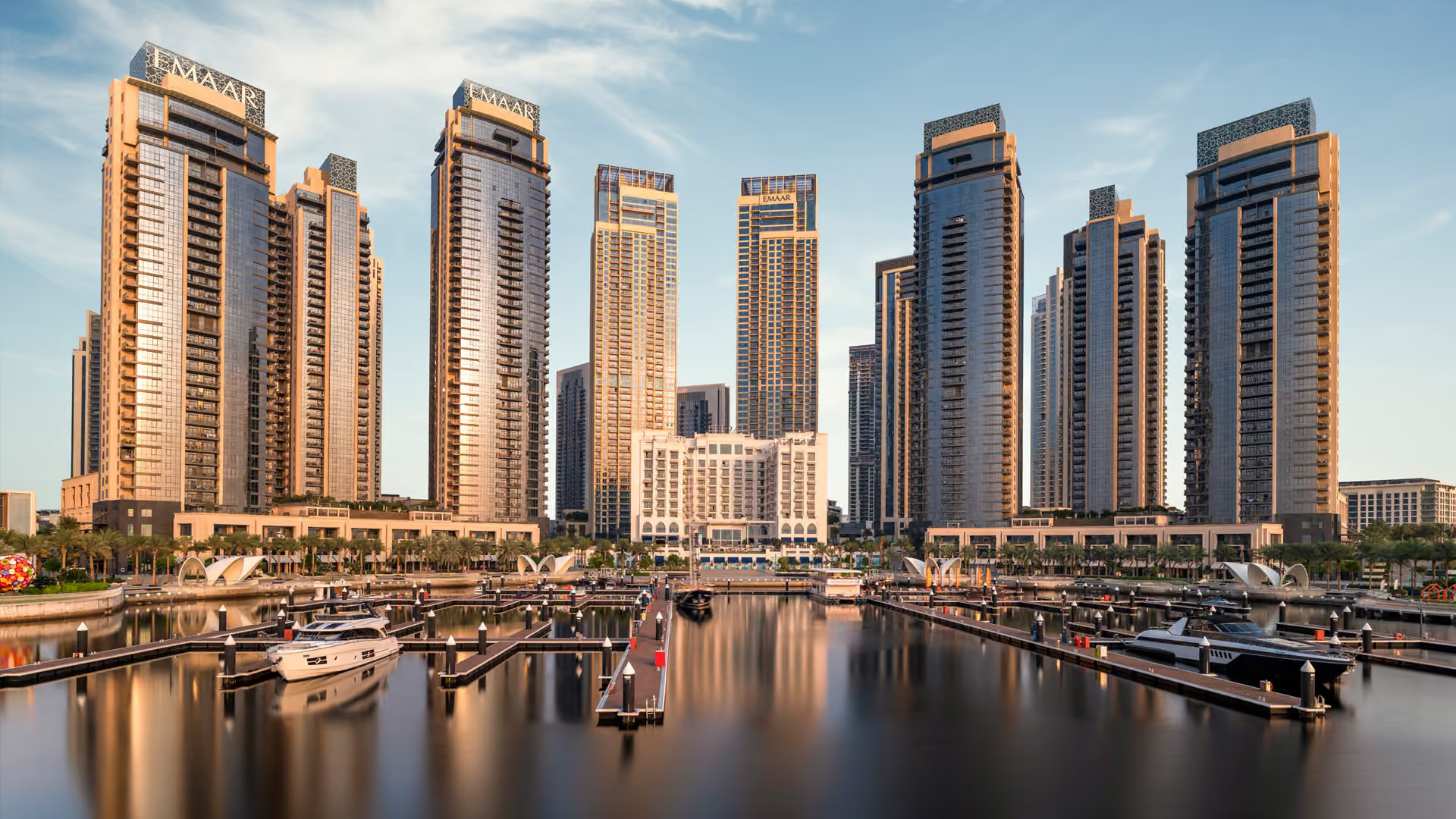

Dubai’s residential real estate market recorded approximately 34,500 transactions worth AED 70.8 billion ($19.28 billion) in the third quarter of 2026, as activity began to stabilize following several years of strong growth. According to Savills Middle East, the market showed signs of stabilization, with continued demand for completed properties and annual price growth in the prime residential segment. Overall transaction volumes moderated by 4% quarter-on-quarter, while total value decreased by 14%, largely reflecting fewer new off-plan project launches.
Original article: Dubai records $19.28 billion residential real estate transactions in Q3 2026 as prime market remains resilient by Economy Middle East.
Key Insights:
Ready-Property Sales Increase as New Launches Moderate
Dubai recorded approximately 5,000 new residential unit launches in Q3, compared with 36,400 in the previous quarter, reflecting a more measured pace of new development activity. Meanwhile, ready-property transaction values increased from AED 21.3 billion in Q2 to AED 25.1 billion in Q3, highlighting continued interest in completed homes.
Average residential prices recorded quarterly adjustments:
- Apartments: AED 1,817 per sq ft, down 4.8% quarter-on-quarter.
- Villas and townhouses: AED 1,523 per sq ft, down 3.3% quarter-on-quarter.
However, Savills’ like-for-like analysis showed a more stable underlying picture, with apartment prices declining by just 1.7% and villa and townhouse prices remaining unchanged. This suggests that changes in the mix of properties sold contributed to the larger movements in average prices.
Prime Residential Prices Remain Resilient
Dubai’s prime residential segment recorded 669 transactions above AED 10 million in Q3, compared with 871 in the previous quarter. While transaction activity moderated, prime property prices maintained annual growth:
- Prime apartments: AED 5,237 per sq ft, up 4% year-on-year.
- Prime villas and townhouses: AED 2,791 per sq ft, up 3.6% year-on-year.
Notable transactions included a villa on Palm Jumeirah sold for AED 260 million, a villa in Dubai Hills Estate for AED 252 million and an apartment at Aman Residences for AED 166 million.
Rental Activity Increases as Supply Pipeline Evolves
Dubai recorded approximately 181,900 rental transactions in Q3, an increase of 16% quarter-on-quarter. New leases accounted for 44% of rental activity, compared with 36% in Q2, while rental rates in selected communities showed early signs of stabilization.
Approximately 50,000 residential units were launched during the first nine months of 2026, representing a 64% decline compared with the same period in 2025. Developers are increasingly focusing on phased launches, product positioning and flexible payment plans.
Savills expects reduced launch activity and delayed completions to ease immediate supply pressures. However, more than 525,000 residential units are currently scheduled for delivery between 2027 and 2030, making future completions and demand conditions important factors to monitor.
A More Balanced Residential Market
Dubai’s Q3 performance points to a market moving toward greater balance, with continued demand for completed homes, annual price growth in the prime segment and a more measured pace of new project launches.
As buyers place greater emphasis on pricing, location, quality and long-term value, well-positioned properties remain an important focus. Looking ahead, population growth, household formation and the timing of future completions will help determine how Dubai’s substantial development pipeline is absorbed.