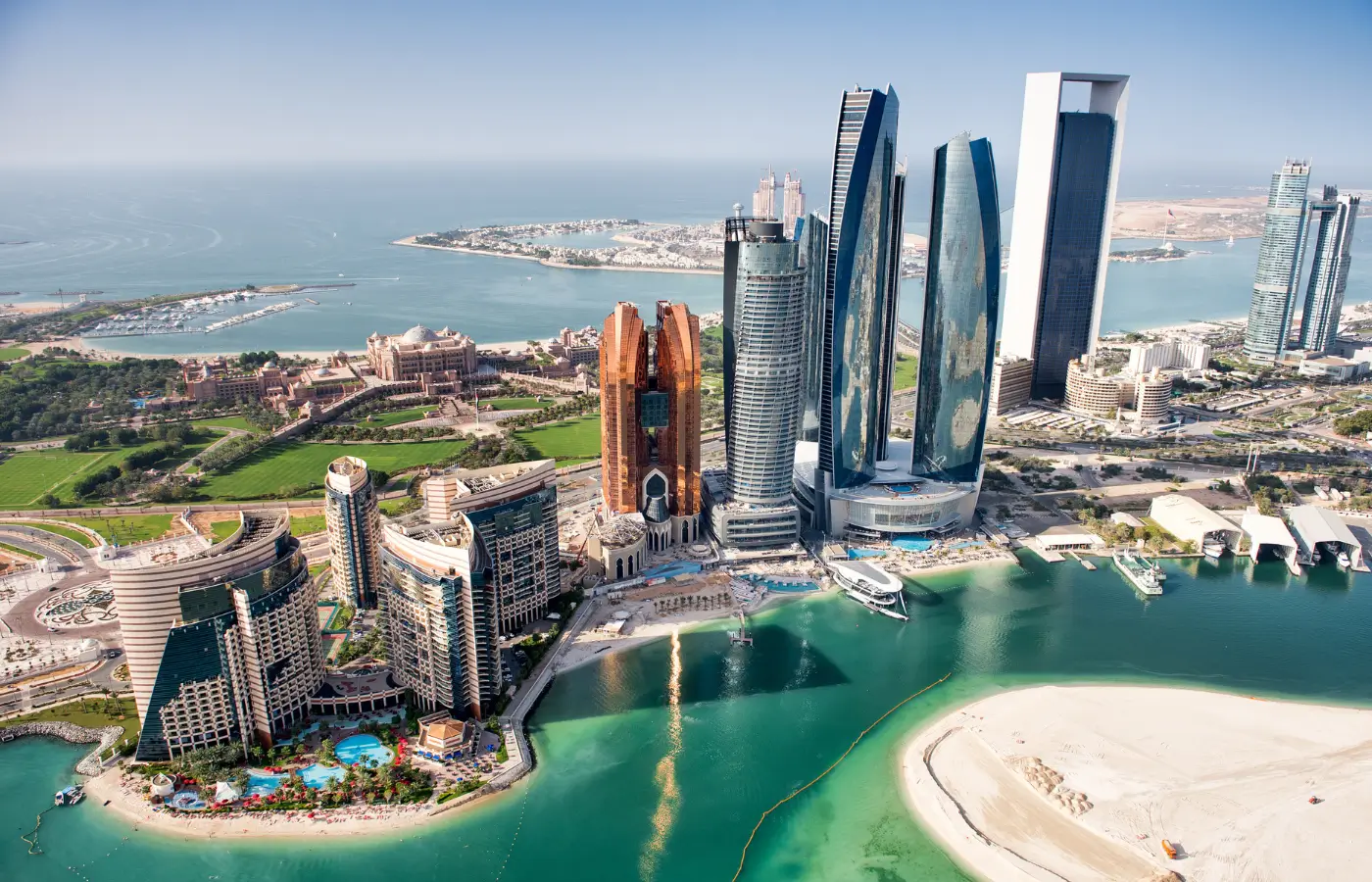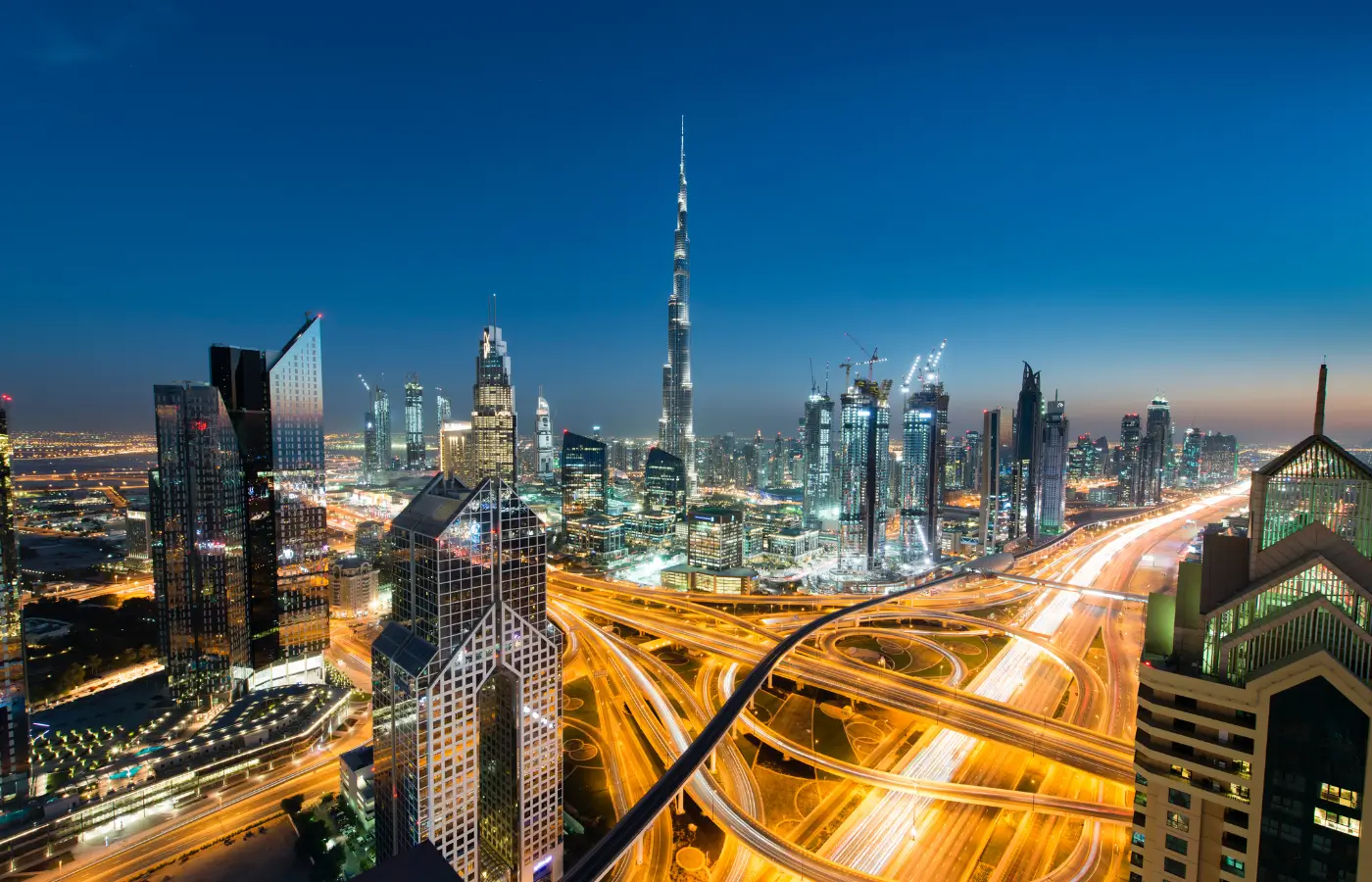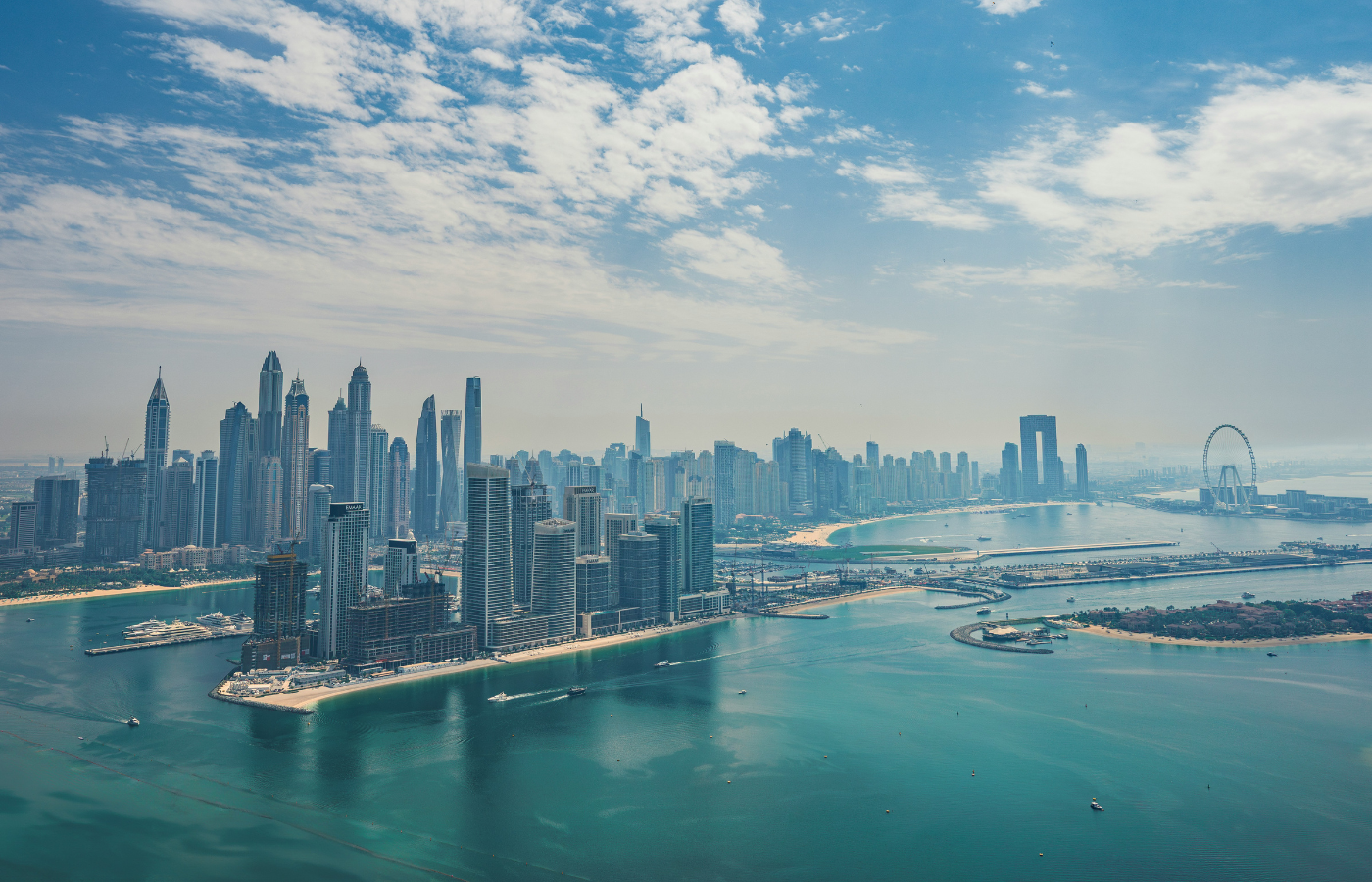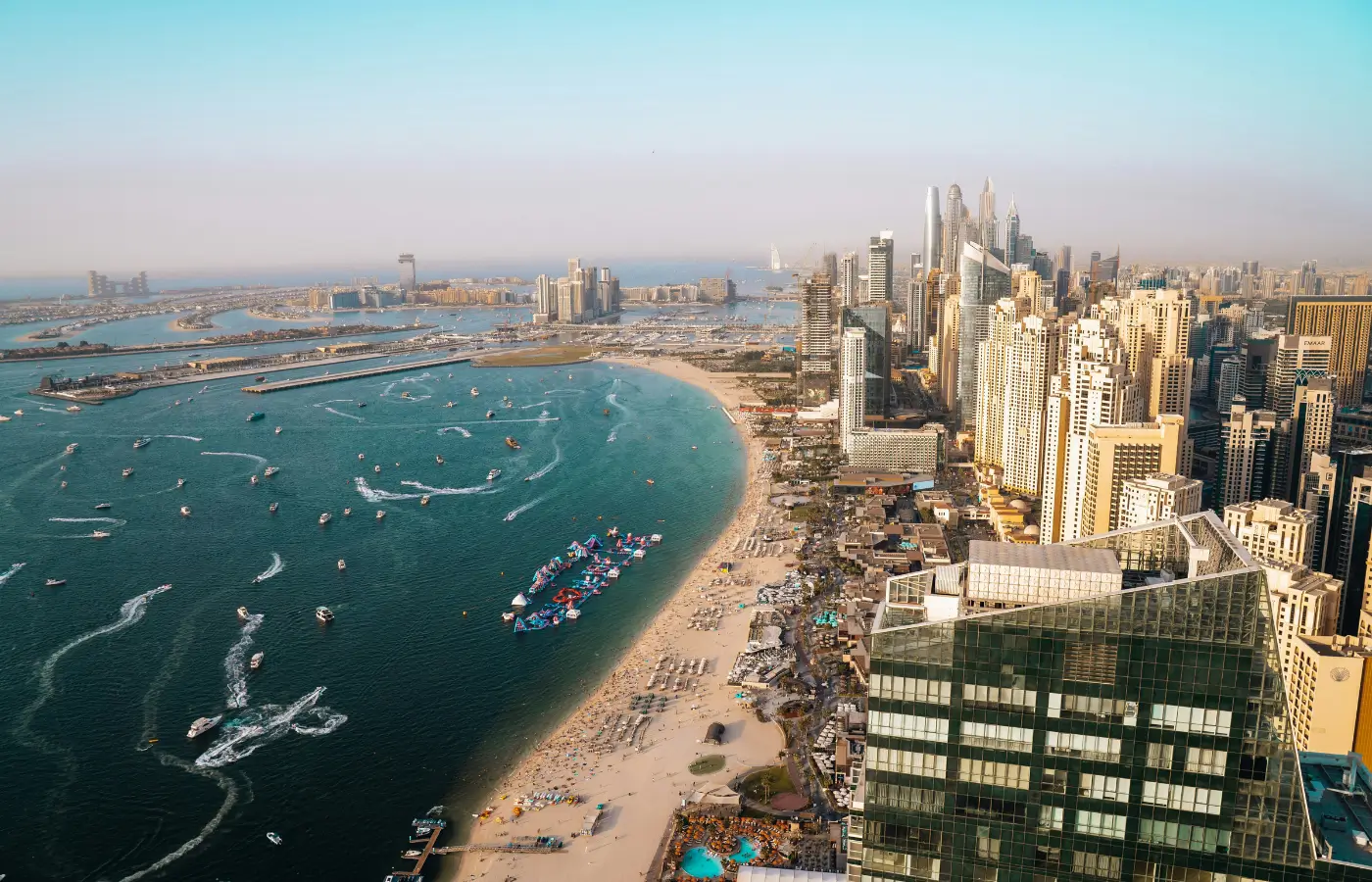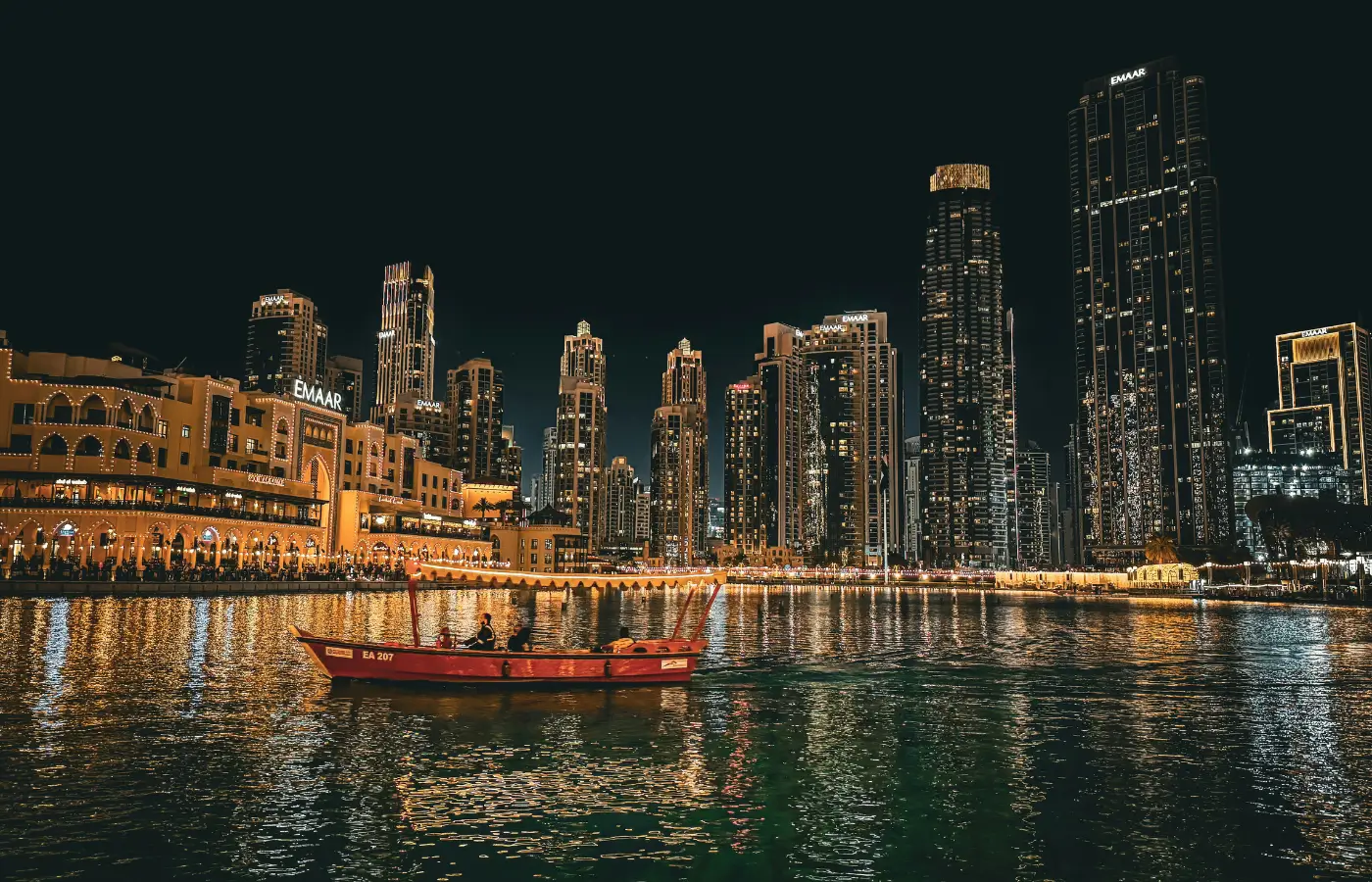

Dubai’s rise to the top of Savills’ 2025 HNWI Hotspot Index – with Abu Dhabi securing a top-five position – reflects a clear trend: global wealth is consolidating in cities that pair stability with quality of life. The UAE’s mix of education, connectivity, tax efficiency, and long-term economic vision continues to draw affluent families who want a home base rather than a short-term investment stop. This shift reveals how deeply the country has embedded itself in global wealth planning over the past decade.
Original article: Dubai and Abu Dhabi among world’s top 10 cities for ultra wealthy by The National.

Key Insights:
Lifestyle and Family Priorities Are Driving Wealth Migration
The Savills report shows a clear pivot among wealthy households: lifestyle now carries as much weight as financial performance. Dubai and Abu Dhabi both benefit from this shift, with families gravitating toward cities that support education, well-being, and long-term stability. This reinforces that residential demand in the UAE is anchored in real end-user preference.
As more affluent households relocate for schooling, healthcare access, and daily convenience, the property market benefits from a deeper base of committed residents. It strengthens demand across mid- to upper-tier segments and supports consistent long-term planning for developers and buyers.
A Growing Long-Term Residency Mindset
Savills’ commentary that HNWIs increasingly view the UAE as a “long-term home” is one of the most meaningful signals in the report. This mindset shift stabilises the market, reduces volatility, and adds depth to both rental and ownership demand.
This confidence translates into sustained occupancy, consistent resale activity, and a more predictable trajectory for price appreciation. The UAE is retaining global wealth.
Tax Efficiency and Predictability Reinforce Confidence
The absence of inheritance, capital gains, and wealth taxes remains a decisive factor for global families planning their financial structures. Paired with the UAE’s regulatory clarity and pro-growth agenda, this offers a level of predictability that investors value.
Importantly, tax efficiency is not functioning as a standalone motivator. It works because it complements strong governance, safety, and infrastructure – a combination that gives HNWIs the confidence to establish long-term roots.
Dubai’s Education and Connectivity Advantage
Dubai leading the world with 168 international schools is more than a statistic – it’s a direct contributor to its top ranking. Education remains one of the biggest relocation drivers for affluent families, and Dubai’s breadth of schooling options continues to be unmatched globally.
Connectivity amplifies this advantage. Direct access to international hubs supports both business mobility and family lifestyles, solidifying Dubai’s appeal to globally active households who balance travel with long-term stability.
Regional Momentum Adds Depth to GCC Wealth Trends
The report notes that Saudi Arabia and Qatar are gaining traction as emerging wealth destinations. Rather than diluting the UAE’s position, this wider regional momentum reinforces the Gulf’s status as a stable, growth-oriented wealth corridor.
This signals to investors that the region’s economic trajectory is broad-based and supported by structural reform – adding further resilience to the UAE’s property market outlook.
The Broader Shift in Global Wealth Behavior
Global investors are gravitating toward cities that balance lifestyle value with economic clarity. The UAE’s rise in this context reflects a global recalibration where safety, coherence, and long-term planning matter more than ever. Dubai and Abu Dhabi benefit from this shift because they offer a rare combination of cultural openness, policy stability, and everyday convenience.
This reorientation has direct implications for property markets. Cities built around lifestyle and family priorities tend to experience steadier demand, more diverse buyer profiles, and a healthier mix of end users and investors. For the UAE, that balance strengthens the foundation of its real estate sector, supporting pricing stability even when other global markets soften.
As wealth continues to move according to values rather than tradition, the UAE’s positioning grows even stronger. Investors looking for long-range security increasingly view the Emirates as a place where personal priorities and strategic investment align naturally – a trend that’s likely to accelerate as younger generations shape the future of global capital.