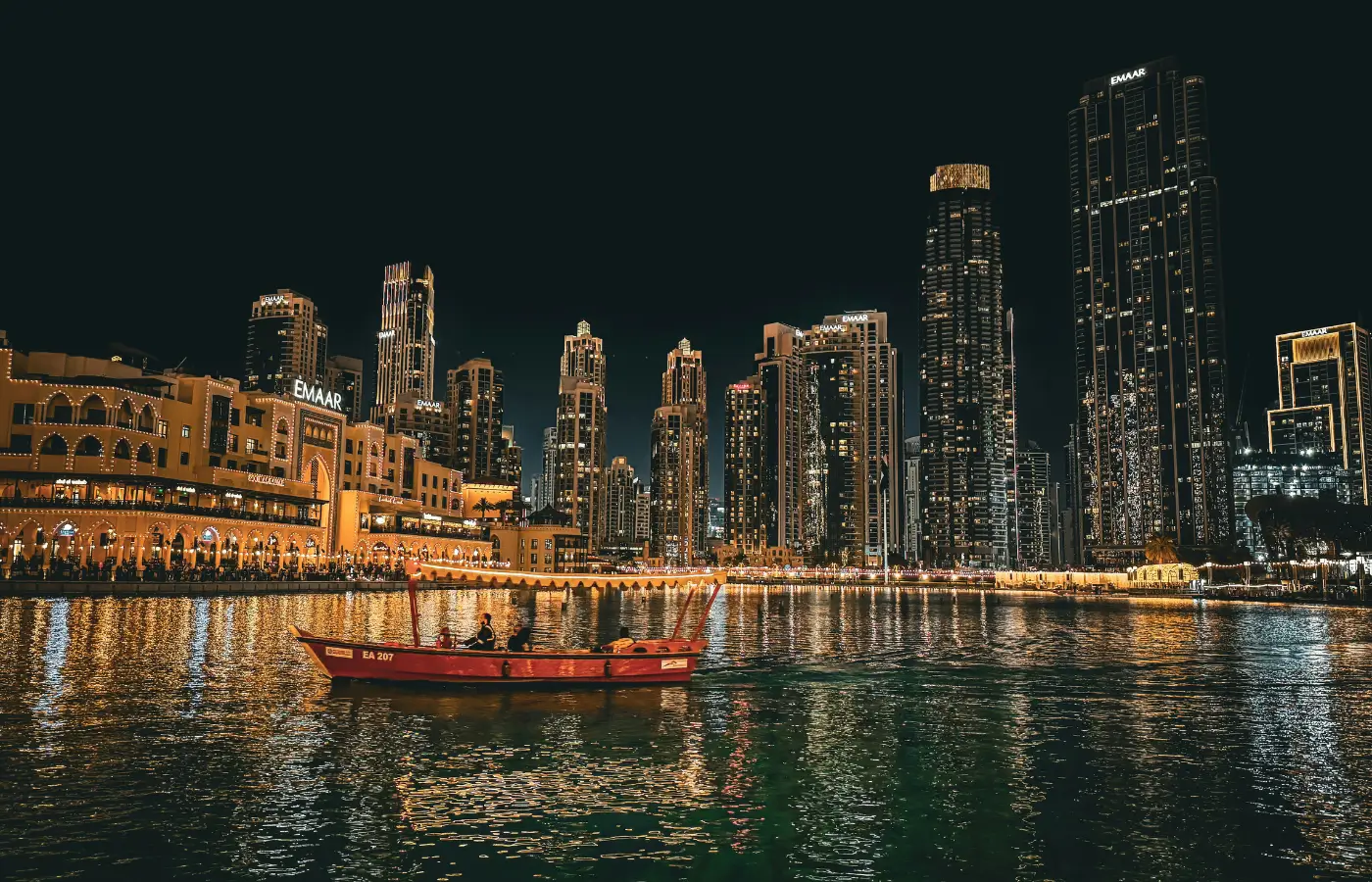

The UAE’s property sector extended its growth streak through Q3 2025, posting record figures across residential, commercial, and hospitality segments. Dubai led the charge, with AED 139.8bn in sales and near-total office occupancy signaling deep market confidence. Despite constrained new supply, the data suggests structural strength rather than overheating – reinforcing the UAE’s reputation as one of the world’s most stable and investor-friendly real estate markets.
Original article: UAE real estate market surges in Q3 as office occupancy hits 94% and $38bn Dubai sales defy slowdown by Arabian Business.

Key Insights:
Dubai’s Residential Market Sustains Unmatched Momentum
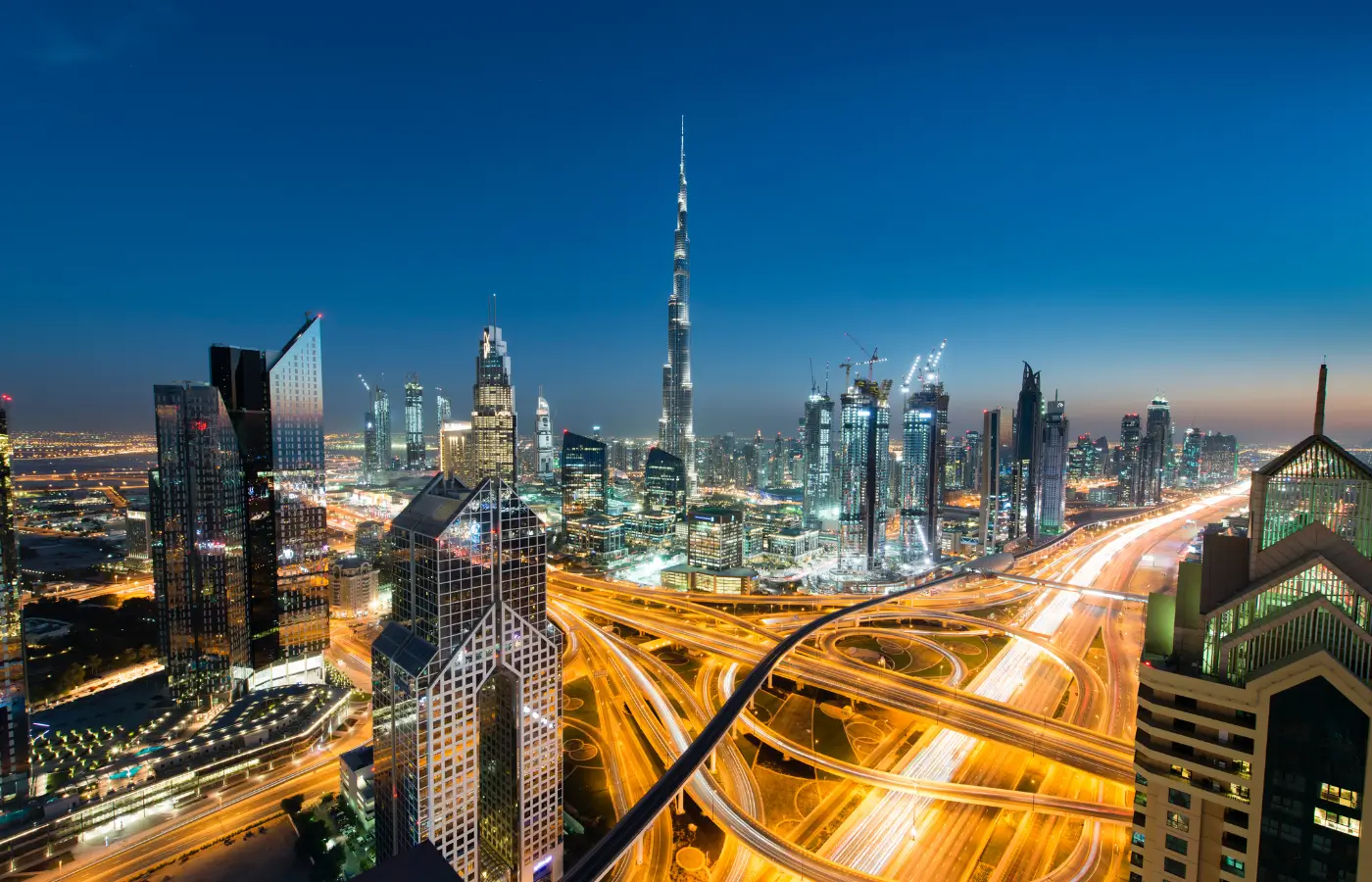
Dubai’s residential sector once again outperformed expectations, with Q3 transactions exceeding AED139bn – a 16% increase year-on-year. Off-plan sales accounted for three-quarters of all activity, demonstrating strong confidence in future supply pipelines and continued developer appeal. Demand is broad-based, stretching from established communities like DIFC to emerging districts such as Dubai Silicon Oasis. This balance suggests a maturing buyer profile and a sustainable market cycle rather than speculative spikes.
Developers are benefiting from deep liquidity, while investors see the strength of off-plan demand as a vote of confidence in Dubai’s long-term fundamentals. With steady population inflows and consistent rental yields, the residential story continues to reflect both opportunity and underlying market discipline.
Office Occupancy Nears Capacity - Supply Pressure Builds
Commercial property remains among the tightest segments in the UAE. Office occupancy in Dubai reached 94% in Q3, with rents up 19% over the year – a clear sign of limited availability and strong tenant retention. The most sought-after free zones, including DIFC and d3, are experiencing early pre-leasing, as occupiers secure space ahead of handovers projected for 2027 and beyond.
This undersupply positions landlords favorably while prompting developers to fast-track new Grade A projects. These dynamics underscore an opportunity to enter a sector defined by scarcity and premium returns, particularly in markets aligned with finance, design, and trade.
Hospitality and Tourism Extend Growth Cycle
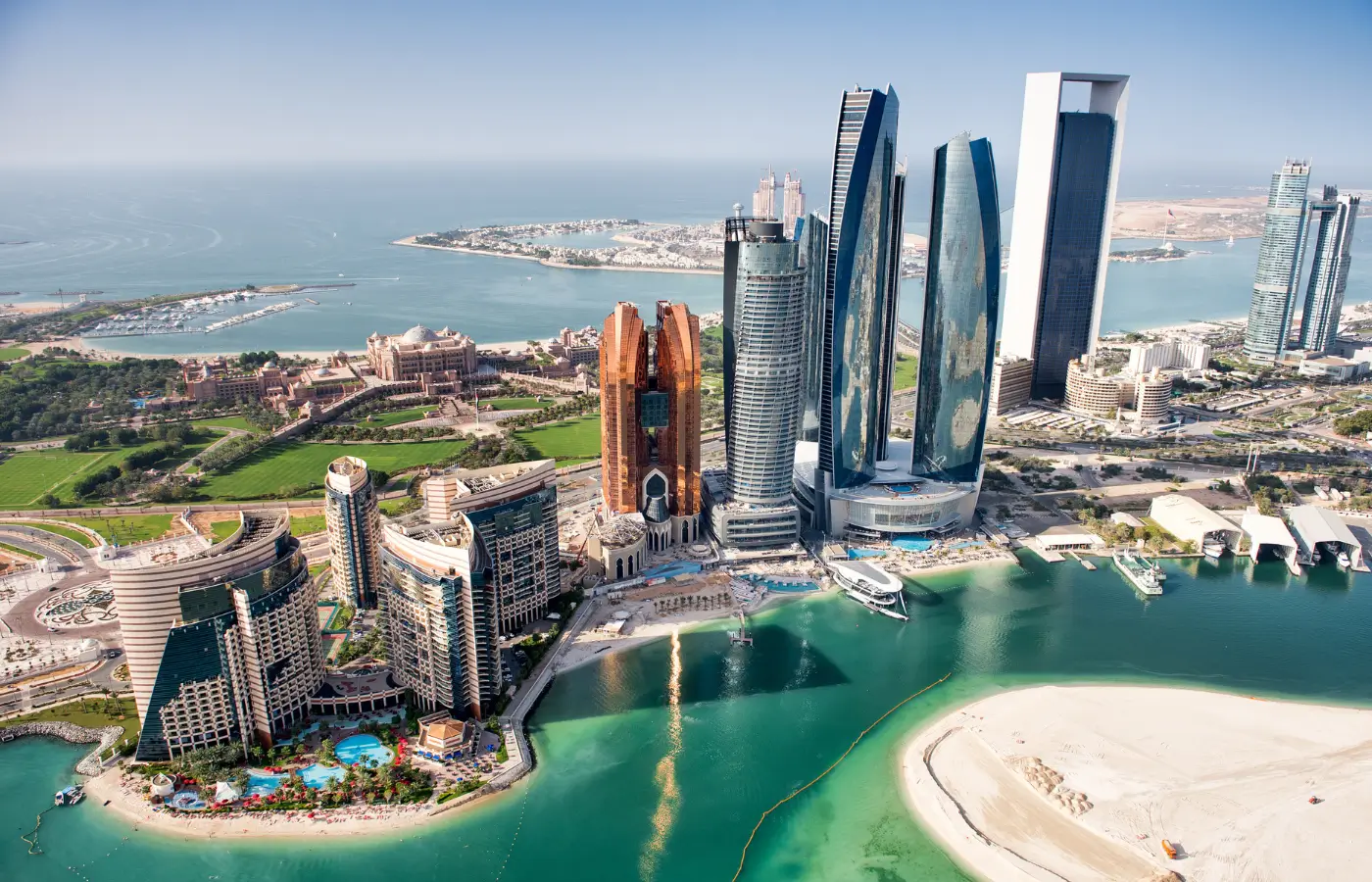
With 27.6 million visitors expected in 2025, the UAE’s hospitality sector is set for another record-breaking year. Occupancy rates across Dubai and Abu Dhabi remain high at 79%, while RevPAR increased 12% year-on-year. Abu Dhabi’s hotel revenues jumped nearly 20%, supported by a surge in international events and tourism infrastructure investment.
The performance reflects more than just tourism recovery – it signals the UAE’s success in integrating hospitality into its long-term diversification strategy. Investors continue to target branded residences and mixed-use developments that benefit from sustained visitor inflows and global visibility.
Industrial and Retail Demand Reinforce Economic Stability
Retail and industrial assets are displaying exceptional resilience. Occupancy levels in both sectors exceed 95%, supported by tourism-driven spending and expanding manufacturing and logistics activity. Retail performance highlights a vibrant consumer economy and effective asset management by landlords.
Meanwhile, the industrial segment continues to grow as a cornerstone of diversification. Rising rents in both Dubai and Abu Dhabi signal confidence in logistics, warehousing, and production sectors that underpin the UAE’s non-oil economy.
The Broader Message - Confidence, Maturity, and Diversification
Beyond the numbers, Q3 data reinforces the UAE’s ability to sustain growth across multiple asset classes simultaneously. Residential demand, commercial scarcity, and expanding industrial capacity point to a market that’s both active and structurally balanced.
This quarter’s performance is less about short-term peaks and more about enduring stability – supported by strong governance, strategic diversification, and consistent capital inflows. The UAE continues to stand out globally as a real estate market where growth aligns with maturity, and where confidence is firmly grounded in fundamentals.
What This Signals for 2026 and Beyond
The UAE’s Q3 performance underscores a crucial theme – sustainable strength built on diversified growth. Rather than cyclical surges, the data points to a market that’s steadily expanding on multiple fronts, from residential and commercial to industrial and hospitality. This consistency is what continues to differentiate the UAE from other global markets still navigating volatility.
As office supply remains constrained, developers and institutional investors are likely to accelerate delivery timelines and explore alternative leasing structures. For end-users, this dynamic will continue to favor early commitments in prime areas. Meanwhile, residential developers are poised to respond to off-plan demand with more phased and strategically priced releases – helping balance absorption while maintaining value growth.
The broader outlook for 2026 suggests a property market that is neither overheating nor slowing – but stabilizing at a higher baseline. With GDP growth projected near 5% and non-oil sectors contributing increasingly to national output, real estate remains both a driver and a mirror of wider economic strength. For investors, the message is clear: the UAE continues to offer a resilient, well-regulated environment where confidence isn’t speculative – it’s structural.