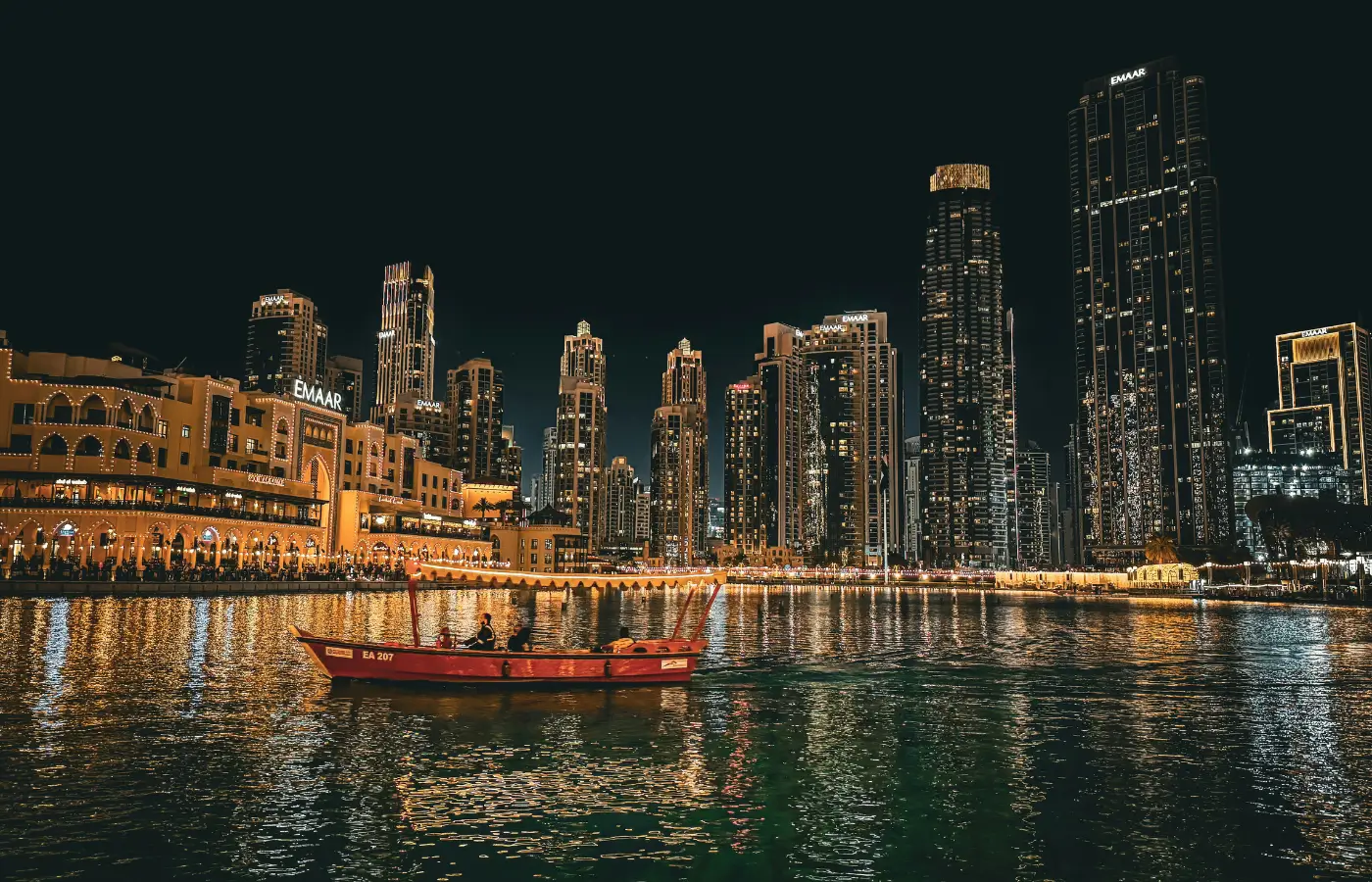

Dubai’s commercial office sector is no longer reserved for institutions. As the market matures, private investors are gaining direct access to high-performing office assets – from freehold resale units in Business Bay to off-plan inventory in emerging zones like Meydan and Motor City. Whether through personal ownership, local entities, or pre-leased developer launches, individuals are stepping into a space that once felt out of reach, with more legal clarity and strategic entry points than ever before.
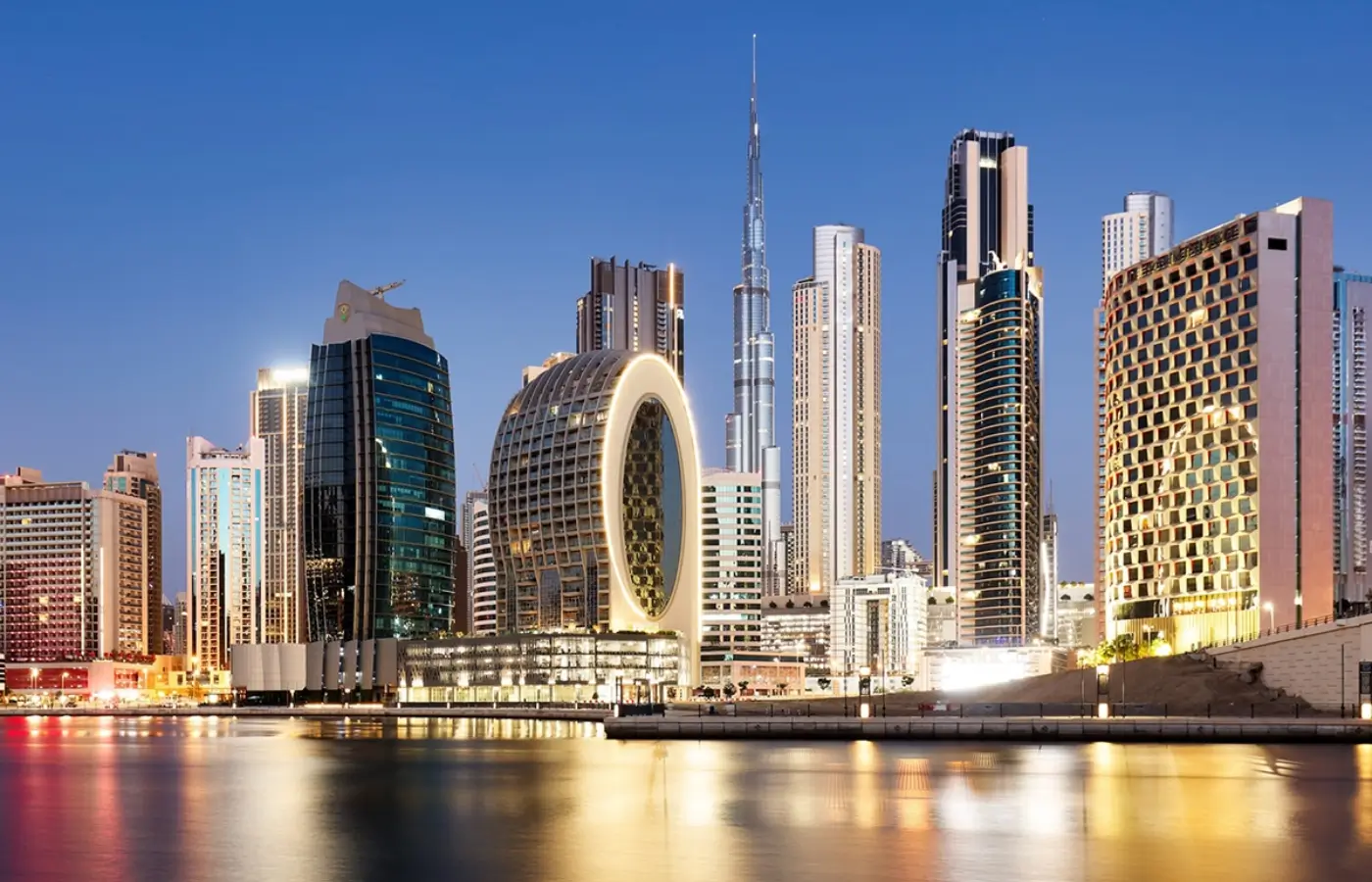
In this article, we unpack how commercial ownership works for private investors in 2025 – including what legal pathways exist, and where the best opportunities are. From strata-title floors in Grade-A towers to license-linked offices in free zones, the landscape is wider and more accessible than most realize. And with inventory tightening and no major new supply expected until 2027-28, those entering now are securing long-term positioning in a market built for income stability.
Investor Access, Ownership Models, and the Path to Commercial Property
Commercial Ownership Is Open to Individuals Including Foreign Buyers
Commercial property investment in Dubai isn’t limited to institutions – individual buyers are increasingly active across both free zone and mainland markets. Despite lingering misconceptions, office units are fully open to private ownership, with eligibility criteria that mirror residential property rules
This includes onshore (mainland) assets – not just free zones. From full floors to compact shell-and-core offices, the landscape is more accessible than many assume. Buyers can even own commercial space in towers occupied by major multinational tenants.
According to CBRE, individuals accounted for over 15% of office transactions in Business Bay and Barsha Heights in early 2025, including freehold and strata sales – a clear signal that the market is broadening beyond corporate-only buyers.
DLD regulations confirm that foreign investors can purchase onshore commercial property, including freehold units without requiring a UAE trade license or corporate structure. Ownership can be registered under a personal name or through a locally established entity – both are fully legal, widely used options.
Critically, landmark towers are now offering strata-title commercial ownership, giving individual investors
access to landmark buildings such as One Business Bay, The Opus, and U-Bora – including mixed-use towers where commercial floors were once held institutionally.
For private investors, this opens a direct path to yield generation and asset appreciation – in zones where demand is rising, lease rates are climbing, and professional tenants drive long-term performance. Private ownership is no longer niche, and the window to enter early is still open.
Freehold Access, Legal Structures, and Zone-Based Considerations
Dubai’s commercial market offers flexible ownership structures that support both resident and non-resident buyers – both in freehold and onshore (mainland) zones. Units in buildings registered under freehold registration grant full ownership rights, while others operate under long-term leaseholds typically capped at 99 years.
Resolution No. 11 (2023) extended freehold eligibility to foreign buyers, enabling full property ownership in zones such as Sheikh Zayed Road, Business Bay, Dubai Healthcare City, and other high-demand clusters. More than 60 towers across these zones are now DLD-approved for freehold commercial ownership across these areas. More recently, in early 2025, Sheikh Zayed Road and Al Jaddaf were officially added to the map of eligible zones – opening a key window for both institutional and private buyers.
Similarly, freehold zones like Dubai South and Dubai Silicon Oasis now allow 100% foreign ownership of office units which manage zoning, licensing, and ownership for foreign investors without the need for a UAE sponsor.
Two legal frameworks apply depending on ownership structure:
- Mainland leases fall under the UAE Civil Code, and disputes are governed via DLD and UAE court systems.
- Free zone leases are subject to the laws of their respective authorities (e.g., DIFC), which require tenant registration within that zone and may offer different dispute resolution pathways.
Foreign investors can hold commercial units under personal names or via locally registered entities – the latter is optional but may offer advantages for asset protection, tax optimization, or business integration.
This flexible structure allows individual investors to structure their entry in a way that aligns with long-term income goals, asset control, and geographic preference – all while leveraging legal clarity and long-term rights across a growing inventory of freehold commercial projects.
Off-Plan Commercial Is Now an Investor Segment in Its Own Right
The off-plan commercial market in Dubai has undergone a quiet but significant shift. Once dominated by bulk institutional deals and pre-leased floors, it’s now becoming a viable entry point for individual investors – thanks to developer pivots and a surge in Grade-A project launches.
By mid-2025, off-plan inventory accounted for nearly 1 in 5 new commercial launches across areas like Business Bay, JLT, and Arjan. That’s up from just 8% the year prior, reflecting growing supply and access for private buyers.
New projects are offering strata-ready units in proper office towers – not co-working shells or fractional models. Developers such as Omniyat (Lumena), Royal Centurion (Motor City), and Ellington (Meydan) are marketing full-floor and sub-1,000 sqft shells with investor-grade terms, including post-handover payment plans spanning up to five years.
Early buyers are securing front-row leasing positions, often with the option to configure layouts pre-handover – a critical advantage in zones with limited ready inventory. Projects like Lumena and Ellington’s Meydan office suites are already booking units from 850 sqft, signalling a clear pivot toward broader investor participation.
For those looking to align capital deployment with long-term rental performance, off-plan commercial now offers a credible, structured path – not just a speculative opportunity. With price movement between booking and handover averaging 12-18% in select launches (2023-2025), the entry runway is proving to be both shorter and more rewarding than many anticipate.
For individual investors, this shift into strata-model off-plan projects offers a rare alignment: low entry price points, payment flexibility, and access to future-ready office stock in zones where ready inventory is already tightening. It’s not just early – it’s strategically early.
Landlords Hold the Cards - Supply Is Tight, and It’s Staying That Way
Occupancy Rates Are Already Near Capacity
Across Dubai’s top commercial zones, office occupancy is nearing saturation – and that’s shifting power firmly to landlords.
Grade-A towers in DIFC are now operating at 94% capacity, with several buildings fully leased. Barsha Heights and JLT remain consistently tight, hovering between 90-92%, while Business Bay reports 88-90% occupancy – with new launches hitting pre-leasing rates of up to 96%.
Fringe areas like Arjan and Meydan are absorbing spillover demand as central availability shrinks. Leasing cycles have compressed sharply: what once took 10-12 weeks now closes in just 4-6, particularly in JLT and Barsha Heights.
For landlords, high occupancy means more than just demand. It translates to shorter vacancy gaps, stronger pricing power, and longer tenant retention – reinforcing commercial property’s value as a stable, income-driven investment class.
No Major New Supply Until 2027-28
Dubai’s commercial property pipeline is running lean – and that’s creating a multi-year window of leverage for current investors.
No large-scale Grade-A office projects are slated for delivery until at least 2027. In 2025, less than 500,000 sq ft of new commercial space is expected to launch citywide – and most of it is already pre-leased or owner-occupied. What is being built tends to be boutique, phased, or partial – not full-scale office towers. Meanwhile, RERA and Dubai Municipality continue to prioritize residential permits, slowing the flow of commercial approvals.
With D33’s major commercial rezoning efforts scheduled for post-2026, this structural lag is expected to hold through the current investment cycle – keeping supply tight and rental pressure elevated for the next 2-3 years.
Rental Growth Is Surging Because Supply Can’t Keep Up
Rents in high-demand office zones are climbing fast – and supply simply isn’t keeping pace.
In Business Bay and Barsha Heights, rents jumped as much as 43.5% year-on-year. That growth is now outpacing capital appreciation by a ratio of 1.5 to 1 in these constrained districts.
For investors entering the market today, that creates a double advantage: immediate yield upside and long-term resale value over a 3-5 year horizon.
Vacancy rates in top-performing towers like DIFC are now below 6%, further amplifying rental pressure and reinforcing landlord pricing power.
For private investors, that’s a rare setup: limited competition for high-quality stock, rising lease rates already in motion, and no meaningful supply relief on the horizon.
Where Smart Investors Are Buying Office Space in 2025
Business Bay: High Absorption, Strong Leasing, Prime Location
Business Bay continues to dominate Dubai’s office market. As the city’s share leader, it combines high investor activity, limited availability, and deep-demand from professional tenants.
Why Business Bay remains an investor hotspot:
- 36.9% of all Dubai office transactions in Q2 2025 occurred here, the largest share of any district.
- Rental growth exceeded 20% in 2024-2025 across peak-grade stock, with Business Bay featuring among the strongest-performing districts.
- Core Grade‑A buildings are operating at ~94-99% occupancy, underscoring sustained tenant demand.
- Many strata landlords in Business Bay now quote DIFC-comparable rents, reflecting market parity in quality and location premium.
- Long-term supply constraints remain prevalent - indicating a sustained cycle of investor advantage through 2025 and beyond.
With its commanding share of transactions, high occupancy, and upward pressure on rental pricing, Business Bay stands as one of the most resilient and yield-focused commercial investment zones in the emirate. For smart buyers, it’s a chance to secure income-generating units in a zone that’s already trading at institutional standards – but still offers individual entry points.
Motor City: Entry-Level Access and SME Leasing Momentum
Motor City is carving out a new role in Dubai’s commercial map – offering accessible price points, a growing SME footprint, and new strata-grade inventory. With lease activity picking up and adjacent zones tightening, investors are beginning to recognize the district’s mid-term upside.
Why investors are watching Motor City:
- Capital One by Royal Centurion - a 22-storey commercial tower - is now offering floors to private buyers, signaling a shift toward individual investor participation.
- Pricing remains accessible, with pre-leasing quotes at AED 850-1,000/sqft, compared to AED 1,400-1,900/sqft in SZR and Business Bay.
- The area is attracting coworking hubs, creative industries, and digital-first firms, shifting it away from purely residential use.
- Its location near Dubailand and Al Barsha South supports back-office operations, consultancies, and service firms.
- Vacancy in nearby Arjan dropped below 12% for the first time in 3 years, pushing demand into adjacent districts.
Motor City is still early-stage from a commercial lens – but for investors seeking value entry, SME-led leasing, and post-handover price growth, it presents a strategic foothold in a market that’s shifting outward. For private buyers priced out of core zones, it’s a chance to secure commercial inventory early – before market normalization closes the entry window.
Meydan: Free Zone Status and Business Ecosystem Potential
Meydan is beginning to emerge as a free zone destination for commercial investors, offering a blend of strategic location, startup demand, and first-wave office launches. With licensing available directly through Meydan Free Zone and new developer activity underway, the area is attracting attention from entrepreneurs and foreign-owned firms.
Why investors are watching Meydan:
- Meydan Free Zone offers licenses for over 2,500 business activities - with digital-first registration and setup available for remote founders and startups.
- Ellington is launching investor-accessible office space in Meydan, marking one of the first Grade-A commercial offerings in the area.
- Meydan Free Zone recorded a 21% YoY increase in new business licenses in H1 2025, driven by tech services, consultancies, and e-commerce startups.
- Free zone status allows 100% foreign ownership, making it attractive to non-resident investors seeking full control.
- Planned transport improvements, including the Meydan Metro extension (completion 2026), are expected to enhance long-term accessibility and leasing potential.
- Appeal is growing among digital nomads and service firms who want to combine licensing, space, and business setup in a single location.
With its free zone flexibility, low-friction business setup, and a growing pipeline of investor-grade inventory, Meydan is poised to become a launchpad for modern commercial activity in Dubai. For private investors seeking an entry into Dubai’s free zone market, Meydan offers a rare mix of first-mover pricing and investor-ready inventory – before institutional players fully enter the frame.
DIFC, Barsha Heights, and JLT: High-Occupancy Hot Zones
DIFC, Barsha Heights, and JLT are among the tightest office markets in Dubai, with consistently high occupancy, elevated lease rates, and ongoing licensing activity. Despite limited new supply, these zones remain magnets for legal, financial, tech, and consulting firms – offering strategic value for secondary buyers and lease-focused investors.
Why investors are tracking these zones:
- DIFC office occupancy exceeds 90%, underscoring its role as one of Dubai’s most in-demand prime commercial hubs.
- 85 hedge funds are now registered in DIFC, with a combined AUM exceeding USD 700 billion.
- DIFC leasing rates surpassed AED 275/sqft in Q2 2025 for premium fitted units - the highest on record.
- Barsha Heights rental rates rose 43.5% YoY, driven by undersupply and rising spillover from nearby zones.
- Barsha Heights’ average occupancy topped 94% in H1 2025, prompting more firms to explore JLT and Arjan for availability.
- JLT remains a draw for legal, consulting, and blockchain firms, thanks to flexible licensing, metro connectivity, and mid-market pricing.
- JLT recorded a 17% YoY rise in new business license issuance in 2024, highlighting sustained SME activity.
- Despite high occupancy, resale and subleasing opportunities are emerging, offering yield options for strategic investors priced out of core freehold districts.
With deep tenant demand and strong leasing fundamentals, these zones continue to deliver value for investors seeking stable rental income and low vacancy exposure. For yield-focused investors, these districts represent mature, income-led plays, where tight supply and tenant depth help mitigate volatility across cycles.
Why Private Buyers Are Moving Now - and What Comes Next
Dubai’s commercial property market is no longer a fortress for institutions. From DIFC to Meydan, private investors are entering through strata-title units, off-plan launches, and free zone setups – and they’re doing it at a time when supply is tight, rents are rising, and leasing fundamentals favor long-term owners.
For those looking to secure income-led assets with real tenant demand and clear legal pathways, the timing couldn’t be sharper. Entry is open, but inventory isn’t unlimited.
Speak to a Pangea advisor about identifying commercial stock that aligns with your investment goals, location preference, and timeline for yield. From early-stage footholds to core market resale plays, we’ll help you enter with confidence and stay positioned for what’s next.