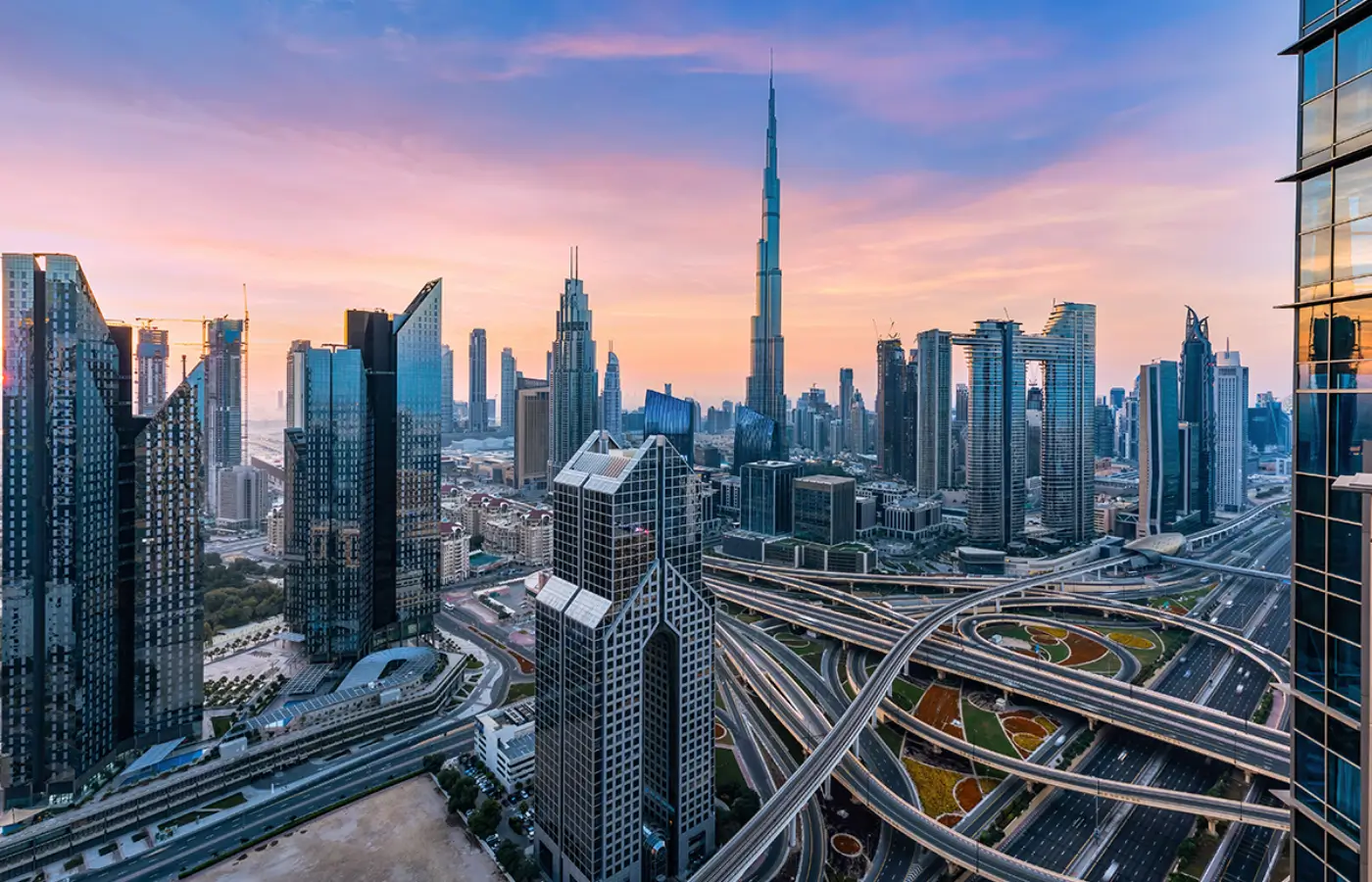

Dubai’s real estate market has consistently proven itself as a global leader, blending resilience, innovation, and unparalleled growth opportunities. Over the past two decades, the city has delivered sustained capital appreciation, even amidst global economic shifts. Since the COVID-19 pandemic, Dubai’s property sector has demonstrated consistent year-on-year growth, cementing its reputation for stability and adaptability. In 2024 alone, home prices surged by an impressive 20%, extending the post-pandemic recovery and solidifying Dubai as one of the world’s most dynamic property markets.

Throughout 2025, investors have every reason to be optimistic. Experts forecast an 8% rise in residential values, fueled by strategic government initiatives, rapid population growth, and significant infrastructure investments. With Dubai’s continued focus on sustainability, innovation, and investor-friendly reforms, the stage is set for another year of growth, stability, and opportunity.
So what does this mean for you?
Whether you’re seeking strong rental yields, long-term capital appreciation, or entry into one of the most promising global markets, 2025 represents a pivotal moment to capitalize on Dubai’s extraordinary momentum.
2024 Performance Recap
The year 2024 marked a pivotal moment for Dubai’s real estate market, with significant achievements across multiple segments. From record-breaking transaction volumes to a surge in demand for luxury properties, the market’s momentum was undeniable. Investors were emboldened by favorable conditions, including regulatory advancements and strong economic growth, which helped to further establish Dubai as a standout performer on a global level.
The following sections look further into the highlights of the year, including the growth of the luxury sector, the market’s impressive milestones, and the confidence that continues to drive investment forward.
Dubai's Real Estate Market Hits New Heights in 2024
Dubai’s real estate market has demonstrated remarkable resilience and growth in 2024, solidifying its status as one of the world’s top-performing property markets. This year has seen impressive milestones across residential, off-plan, and rental sectors, reinforcing Dubai’s strong appeal for investors and residents.
In the first nine months of 2024, the total number of residential transactions in Dubai exceeded 125,000, marking a more than 36% increase compared to the same period in 2023. Additionally, in the first half of 2024, Dubai’s real estate market experienced a 38% increase in property sales, with apartments being the dominant property type, accounting for 82% of the total transactions.
Total sales value soared to AED 141.9 billion, marking a 30.1% year-on-year increase, far outpacing other global prime markets like London and New York. This exceptional growth was driven by a significant uptick in off-plan properties, capturing the interest of investors seeking strong capital gains, and a surge in completed property sales, appealing to both seasoned investors and first-time buyers eager for steady rental yields and luxury living opportunities.
In the rental market, Dubai continued to thrive, with average residential rents increasing by 21.1% in the year to May 2024. This growth was underpinned by a 22.2% increase in average apartment rents and a 13.1% increase in average villa rents, reflecting the city’s growing population and its reputation as a global hub for business and lifestyle opportunities. As of November 2024, the average annual rent price in Dubai surged by 20.8%, reaching AED 90,288 ($24,600).
Luxury Residential Properties Thrive
Dubai’s luxury property market continued to dominate in 2024, with demand for villas and high-end apartments reaching new heights. A major driver of this growth has been the rapid expansion of branded residences, such as the Bugatti and Mercedes-Benz residences, which combine globally recognized brands with exceptional design and service. These developments cater to a growing demand for homes that integrate luxury living with bespoke lifestyle experiences, and garner significant interest from high-net-worth individuals (HNWIs) who value exclusivity, quality, and prestige.
In 2024 alone, branded residences accounted for a significant share of the luxury market, with new launches such as One Za’abeel (by One&Only) and Regent Residences (by IHG Hotels & Resorts) further enhancing Dubai’s appeal. This surge is not only a reflection of local demand but also driven by international investors drawn to the city’s innovative approach to residential solutions. The city has now become a hotspot for these luxurious branded residences, surpassing places with thriving real estate markets like New York and London.
This sustained growth reflects Dubai’s appeal to HNWIs seeking premium properties in key locations such as Dubai Hills Estate, Palm Jumeirah, and Business Bay. Branded developments in these areas are setting new benchmarks for high-end living, offering features like concierge services, private amenities, and collaborations with world-renowned designers that elevate their market position.
Investor Confidence at an All-Time High
A key factor driving Dubai’s success is the maturity of its real estate market, supported by favorable government policies and investor-friendly reforms that ensure transparency and long-term growth.
Investor confidence is further evidenced by the 27.6% year-on-year increase in residential transactions in the first half of 2024, indicating robust market activity and sustained interest from both local and international investors.
Dubai’s combination of market maturity, economic strength, and strategic reforms inspired confidence among investors throughout 2024, positioning the city as a top-tier global investment destination.
Key Drivers of 2025 Market Growth
Macroeconomic Drivers of 2025 Real Estate Growth
GDP Growth
The UAE economy is forecast to grow by 5.0%, driven by strategic investments, innovation, an expanding population and economic diversification.
Government Spending
Strategic investments in infrastructure and urban development projects continue to bolster Dubai’s economic outlook. Initiatives such as transport expansion, new residential hubs, and green energy projects align with the city’s vision for sustainable growth, driving confidence in the real estate sector.
Employment Rates
A stable job market reinforces investor confidence, supported by continued economic diversification and government initiatives that attract global businesses and top talent to Dubai.
Interest Rates
Manageable interest rates continue to underpin real estate investment, offering favorable conditions for both local and international buyers.
Tourism and Hospitality
Dubai’s thriving tourism sector attracts millions of visitors annually, driving demand for hospitality and short-term rentals. Major events and luxury offerings strengthen Dubai’s position as a global hub for leisure and business.
Population Growth
Dubai’s population is projected to reach 5.8 million by 2040, driving sustained demand for housing and infrastructure to accommodate this rapid growth.
Global Investment Inflows
Dubai continues to attract significant foreign direct investment through investor-friendly reforms, tax incentives, and streamlined processes. This influx of international interest strengthens demand for both residential and commercial properties, solidifying Dubai’s reputation as a leading global investment hub.
Collectively, these macroeconomic drivers create a strong foundation for Dubai’s real estate market to thrive in 2025.
Government Policies and Initiatives
The Dubai 2040 Urban Master Plan
A visionary blueprint guiding Dubai’s urban transformation for the next 20 years, the Dubai 2040 Urban Master Plan focuses on creating sustainable, livable communities. By optimizing land use and enhancing infrastructure, the plan will elevate Dubai’s status as a global hub for business, tourism, and lifestyle.
Key initiatives include:
- Expansion of Urban Centers: Development of residential, commercial, and recreational spaces to accommodate projected population growth and enhance livability.
- Enhanced Connectivity: Integration of smart transport solutions to improve mobility and reduce environmental impact.
- Sustainability Initiatives: Projects like the Hatta Master Development Plan and green energy programs prioritize eco-friendly urban development and quality of life.
New Urban Development Projects for 2025 and Beyond
Dubai’s commitment to urban excellence continues with a series of ambitious projects slated for completion in 2025 and beyond. These developments reflect the city’s vision of innovation, sustainability, and investment appeal:
- New Residential Communities: Several mixed-use hubs, including premium residential zones and affordable housing, are planned to meet rising demand fueled by population growth.
- Sustainable Infrastructure Projects: Expansion of Dubai’s metro and public transport systems will improve connectivity while supporting the city’s sustainability and green mobility goals.
- Commercial and Tourism Zones: Development of new business districts, luxury hospitality spaces, and retail hubs will support Dubai’s position as a global destination for commerce and tourism.
Regulatory Reforms Supporting Real Estate Growth
Dubai’s proactive regulatory framework continues to bolster investor confidence and attract foreign investment. These reforms streamline property ownership, registration, and investment processes, ensuring ease of access for both local and international buyers:
- Foreign Ownership Policies: Revisions to property ownership laws allow non-residents to own freehold property in key investment zones, expanding opportunities for global investors.
- Streamlined Approval Processes: Enhanced systems for property registration and permits reduce bureaucracy, facilitating faster and more efficient transactions.
- Tax and Investment Incentives: Investor-friendly initiatives, including favorable tax structures and long-term residency visas, further enhance Dubai’s appeal as a secure, growth-focused real estate market.
Emerging Challenges in 2025
While Dubai’s real estate market is poised for another year of growth, navigating a competitive and dynamic environment requires careful attention to evolving trends and external factors. These challenges highlight the importance of innovation and adaptability, both of which Dubai has consistently demonstrated.
Regional Competition
The rapid development of neighboring markets, particularly Saudi Arabia, has introduced a new dimension of regional competition. With large-scale projects like NEOM and The Red Sea, Saudi is attracting global attention and investment. However, Dubai’s well-established infrastructure, regulatory transparency, and proven track record give it a distinct edge. The city’s ability to consistently deliver world-class developments and its position as a global center for commerce and tourism ensure its continued appeal to investors and residents.
External Market Dynamics
Shifting global economic conditions, including fluctuating interest rates and inflationary pressures, may influence investor decision-making in 2025. Nonetheless, Dubai remains largely unaffected and insulated from global events, and its proactive measures – such as offering long-term residency visas and expanding freehold ownership opportunities – continue to attract a diverse range of buyers.
Residential Property Market Forecast
Population Growth Fuels Demand
Dubai’s population continues to grow steadily, driven by both expatriates and local residents seeking long-term housing solutions, underpinning a sustained demand for residential properties. Investors and developers remain focused on delivering housing solutions to meet this rising need across key segments.
Supply and Demand Dynamics: A Growing Imbalance
While demand for residential properties surges, supply continues to lag, creating significant opportunities for investors:
- Supply Shortages: The villa market faces sustained upward pressure on prices and rents, driven by Dubai's growing population and limited housing availability. To address demand, nearly 9,000 villas are expected to be delivered by the end of 2024, with an additional 19,700 units slated for completion in 2025.
- Development Pipeline: Approximately 182,000 units are anticipated to be added to Dubai's residential stock over 2025-2026, signaling the city’s commitment to meeting long-term housing demands while sustaining investor confidence.
Investment Opportunities in Key Segments
The residential sector presents several lucrative opportunities for investors:
- Villas and Luxury Properties: High demand for villas and luxury residences continues to drive price growth, particularly in premium locations. This trend is reinforced by a steady influx of expatriates and HNWIs seeking exclusive living options.
- Apartments: Apartment supply remains dominant, with new premium developments offering modern amenities and attractive rental yields for investors. This demand is further bolstered by projections of rental price growth, with short-term rentals expected to rise by 18% and long-term rentals by 13% in 2025.
Luxury Property Market Forecast
High-Net-Worth Individuals
Dubai has cemented itself as a leading destination for HNWI net migration, with the UAE expecting a record net inflow of over 6,700 millionaires by the end of 2024. Key inflows are from regions like the UK, Europe, India, the Middle East, Russia, and Africa. The arrival of HNWIs is expected to spur significant economic growth. New businesses, innovation hubs, and industries are projected to thrive, further elevating Dubai’s global reputation across many established and new sectors.
Golden Visa Appeal
The Golden Visa Program remains a pivotal driver for attracting HNWIs to Dubai, offering long-term residency incentives. Premium locations such as Dubai Hills Estate and Business Bay have emerged as key beneficiaries, experiencing heightened demand for luxury properties. This demand is further reinforced by expectations of continued capital appreciation in the luxury segment, reinforcing Dubai’s standing as a global prime investment market.
Economic Transformation
Dubai’s luxury property market is closely aligned with the city’s broader economic transformation. Strategic initiatives, including ongoing urban development projects, investments in innovation hubs, and government-backed reforms, are creating new opportunities across the real estate landscape.
PropTech and Sustainability Trends
Technological Advancements Shaping 2025 Real Estate
Dubai’s real estate market is poised to embrace transformative technologies in 2025, with smart home technology and blockchain playing a pivotal role in enhancing property appeal and operational efficiency. Smart home systems are increasingly integrated into new developments, offering advanced energy management, security solutions, and modern convenience to homeowners. At the same time, blockchain technology is revolutionizing property transactions by streamlining processes, enhancing transparency, and reducing costs. This adoption is attracting global investors and positioning Dubai as a leader in tech-driven real estate innovation.
Sustainable Development in Real Estate
Dubai remains committed to sustainable urban development, with green buildings and renewable energy initiatives at the forefront of its real estate strategy for 2025. The city’s ’20-minute city’ initiative prioritizes urban neighborhoods where residents can access essential services within a 20-minute walk, reducing environmental impact and fostering connected communities. Strategic infrastructure projects, including eco-friendly transport solutions and energy-efficient building designs, are enhancing Dubai’s resilience and market stability. These efforts not only support environmental goals but also support Dubai’s reputation as a future-ready, sustainability-driven city.
Rental Market Expectations for 2025
Short-Term Rentals: The Rising Demand for Flexibility
Dubai’s short-term rental market is experiencing a surge in demand, driven by the growing number of expatriates, tourists, and professionals seeking flexible housing options. Short-term leases are forecast to rise by 18% in 2025. This trend is further supported by the increasing adoption of integrated living solutions and short-term solutions catering to transient residents, and location-independent workers.
Long-Term Rental Growth and Market Maturity
The long-term rental market continues to demonstrate strong growth, reflecting Dubai’s appeal as a destination for stable residency and work opportunities. Long-term leases (6 months or more) are expected to grow by over 13%, driven by population expansion, rising property values, and sustained investment in residential developments.
Dubai’s maturing rental market is witnessing increased demand for affordable housing and integrated living communities that cater to families, professionals, and diverse tenant demographics. With a steady influx of professionals and new residents, rental prices are expected to grow steadily, reinforcing Dubai’s position as a vibrant and mature real estate market in 2025.
Key Investment Areas in Dubai for 2025
Dubai South
Previously known as Dubai World Central, Dubai South is a master-planned city with significant growth potential. Featuring eight integrated districts – including residential, commercial, logistics, and aviation zones – the area is poised for massive expansion. The development of Al Maktoum International Airport is set to increase capacity to 260 million passengers, making it the world’s largest airport. This expansion is expected to draw up to one million residents and over 500,000 new jobs, solidifying Dubai South as a high-potential investment area.
Mohammed Bin Rashid City (MBR City)
MBR City is a rapidly developing hub for luxury living in Dubai. Home to landmarks like the world’s largest man-made lagoon, a 25,800 sqm dancing fountain, and the tallest residential tower globally, the city is a magnet for local and international buyers. Its strategic location, modern infrastructure, and luxury appeal are driving high capital appreciation and sustained demand for rentals and resales.
Emerging Locations for High Returns
Dubai continues to expand its real estate horizons with a variety of promising locations emerging as high-return investment hotspots. These areas are gaining traction due to their positioning, ongoing developments, and future potential to generate strong returns for investors.
Here’s a look at some of these promising locations:
- Dubai Creek Harbour: Located southeast of Downtown Dubai, Dubai Creek Harbour is a master-planned waterfront development mixing luxury living and sustainability. Featuring The Tower at Dubai Creek Harbour, poised to be the tallest structure in the world, the area promises exceptional growth. Its emphasis on green spaces and connectivity set it up to attract a diverse range of investors and tenants.
- Palm Jebel Ali: Revitalized and reimagined, Palm Jebel Ali is set to surpass Palm Jumeirah in scale, with plans to make it nearly twice as large. This ambitious development will feature an extensive range of upscale waterfront properties, complemented by world-class amenities and entertainment options. With its expansive design and a vision to redefine luxury living, Palm Jebel Ali is poised to become a major destination for investors seeking unparalleled capital appreciation and high-end lifestyle opportunities.
- Dubai Islands: A new vision for luxury waterfront living, Dubai Islands (formerly Deira Islands) offers unparalleled beachfront properties and world-class hospitality facilities. Its proximity to the city center and airport enhances its appeal, making it a prime choice for investors eyeing high-yield rental opportunities.
- Expo City Dubai: Transforming from a global event hub into a thriving residential and commercial area, Expo City Dubai capitalizes on its state-of-the-art infrastructure and sustainability focus. With eco-friendly residential units and proximity to major transport links, the area has become a beacon for future-forward investments.
- Ras Al Khaimah: While slightly outside Dubai, Ras Al Khaimah is emerging as an attractive alternative for investors. Known for its natural beauty and rising infrastructure projects, the emirate has seen increasing demand for holiday homes and affordable residential properties, promising competitive returns.
Other Established Sub-Markets to Watch
Popular locations such as Jumeirah Village Circle, Dubai Hills Estate, Business Bay, and Dubai Maritime City continue to provide investors with diverse opportunities. These established markets offer strong rental income potential and promise long-term value appreciation throughout 2025.
Dubai Real Estate to Remain a Strong ROI in 2025 and Beyond
Dubai’s property market is well-positioned for continued growth in 2025, driven by a combination of robust demand, strategic government initiatives, and a favorable economic environment. The emirate’s dynamic real estate sector offers a compelling mix of high returns and market stability, further solidifying its status as one of the most attractive global investment destinations.
With ongoing developments, increased foreign investment inflows, and sustainable urban growth, Dubai continues to capture investor confidence, providing opportunities for both long-term capital appreciation and rental income.
Summary
Dubai’s real estate market is on a record-breaking trajectory, with 2024 setting new benchmarks in both transaction volumes and property values. According to a recent market report by Property Monitor, sales transactions surged by 13.4% in October 2024 alone, with total deals projected to grow 30% year-on-year, reaching an unprecedented 175,000 transactions by the end of 2024. Average property prices have climbed 19.4% above the previous peak in 2014, reflecting the robust demand and investor confidence that continue to define Dubai’s market.
The market also witnessed the launch of over 100,000 new residential off-plan units (year-to-date), emphasizing the city’s proactive approach to meeting growing demand. With its thriving luxury market, strong rental yields, and long-term capital appreciation potential, Dubai remains a premier destination for real estate investment.