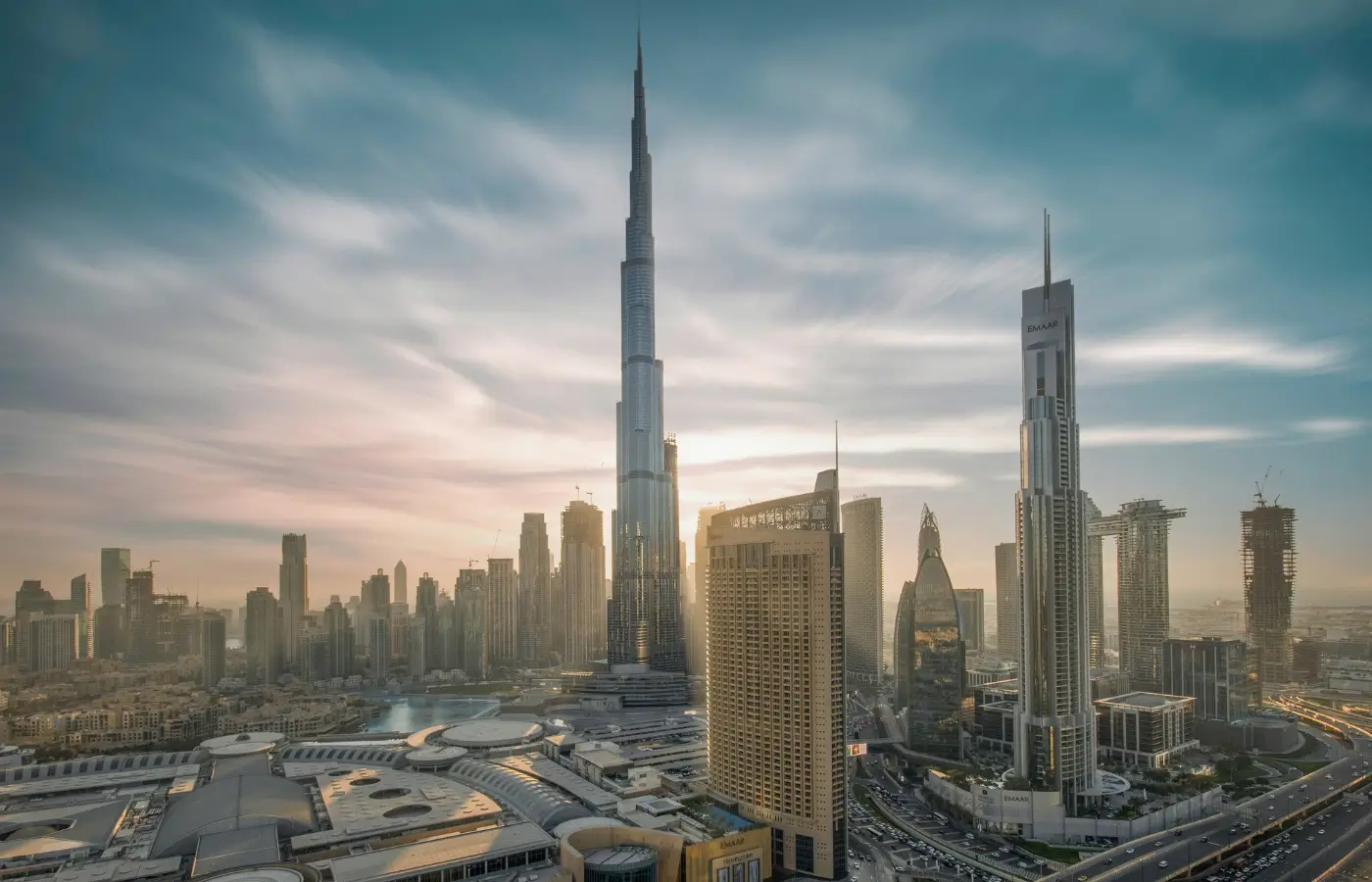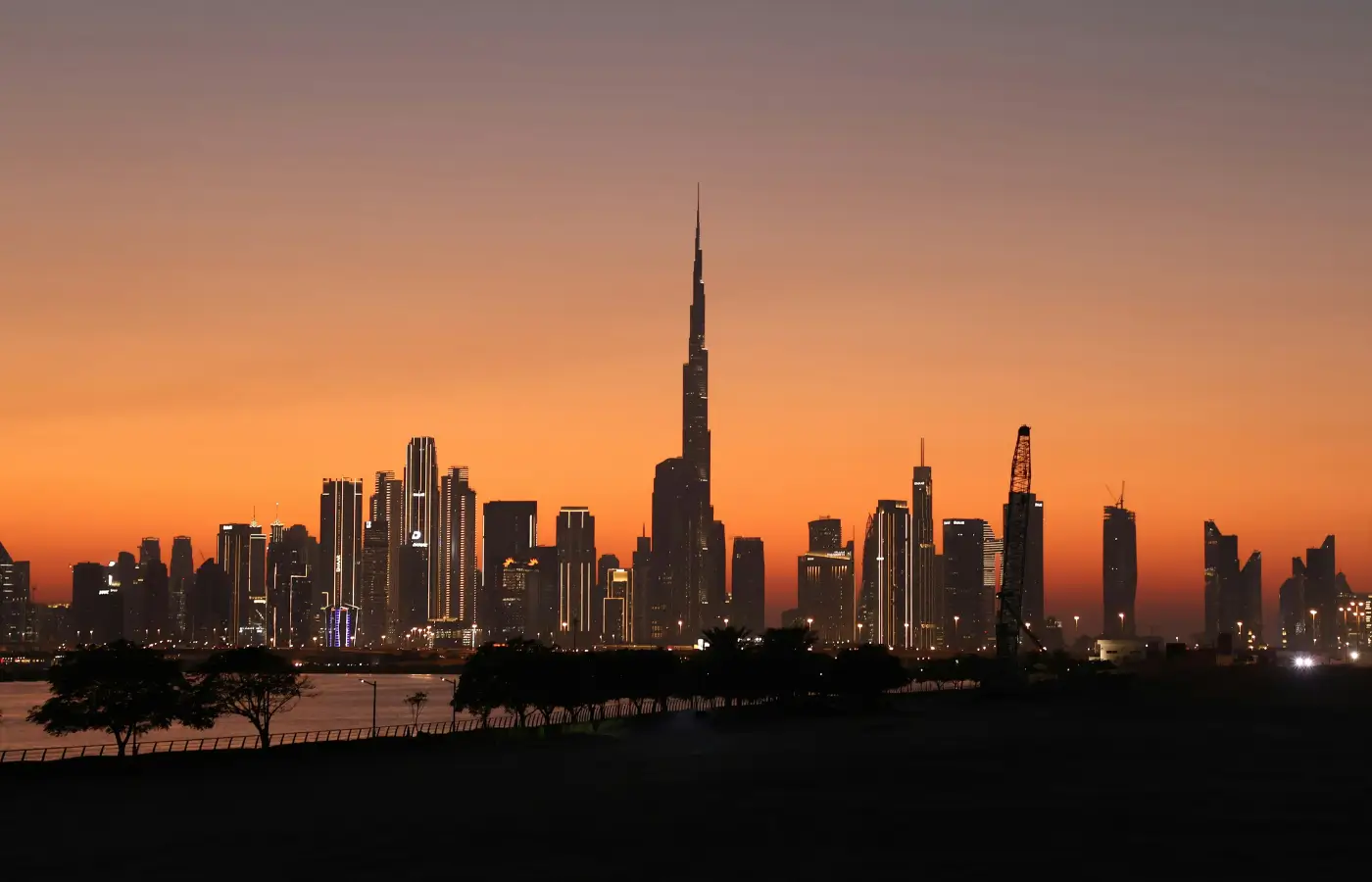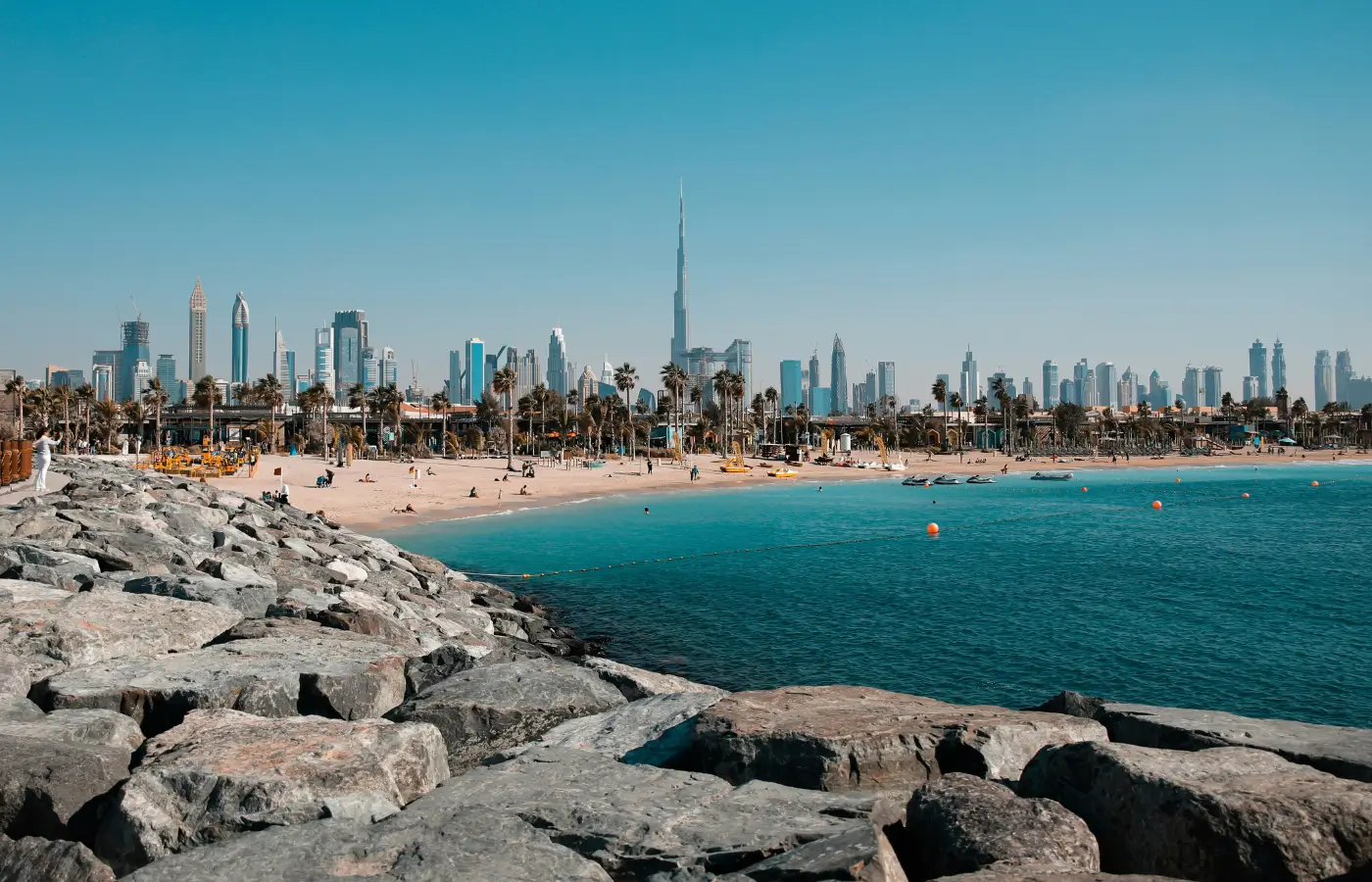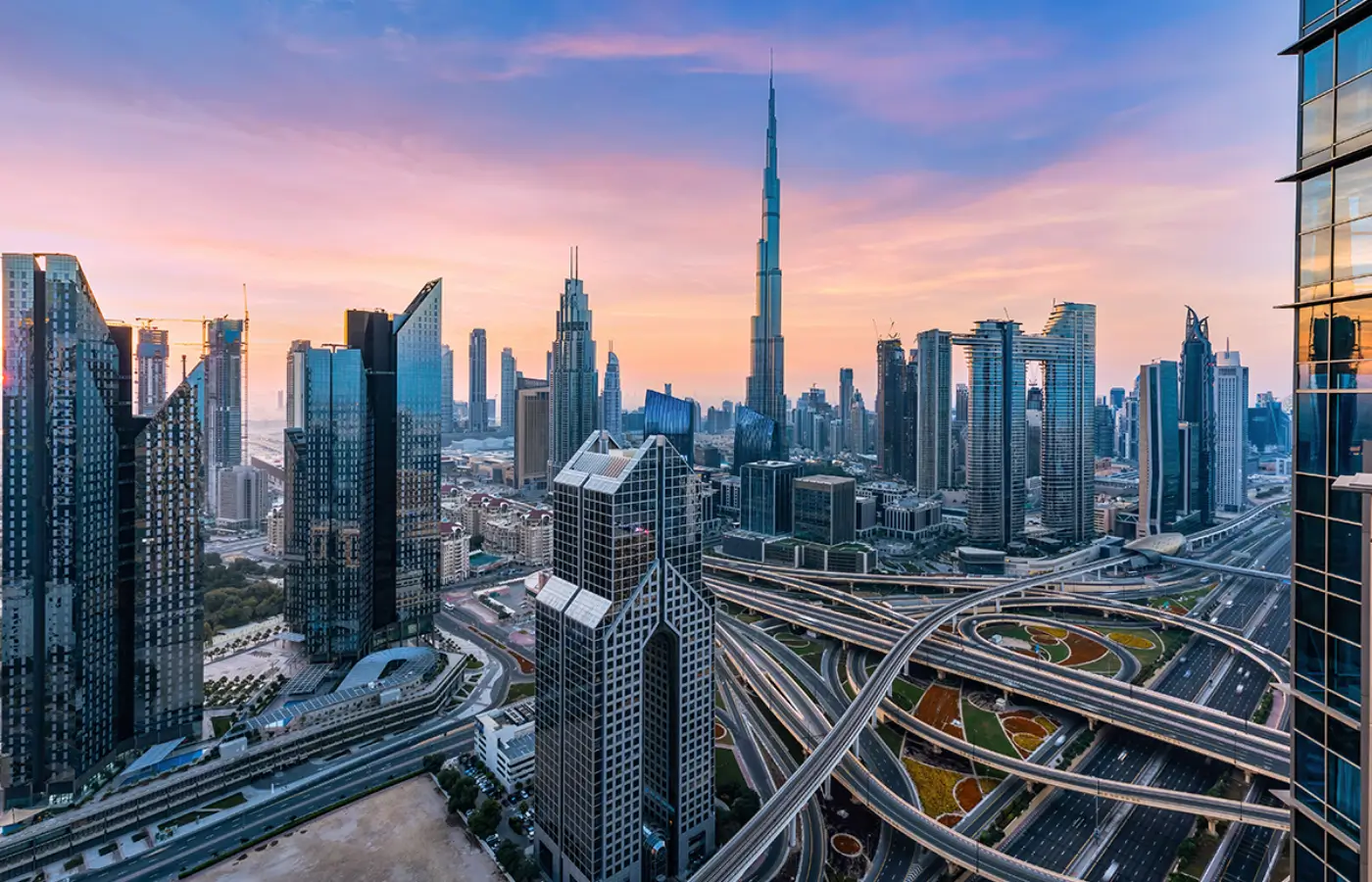

Dubai has climbed nine places to rank 42nd globally in the 2026 Oxford Economics Global Cities Index, entering the world’s top 50 for the first time. The emirate achieved an overall score of 79.6, up from 77.1 in 2025, as it strengthened its position among the world’s leading cities. Human Capital emerged as Dubai’s strongest category, with the city ranking second globally, reflecting its ability to attract, develop and retain skilled talent.
Original article: Dubai climbs to 42nd, Riyadh to 50th as both enter global top 50 cities and Gulf urban influence grows by Economy Middle East.

Key Insights:
Dubai Ranks Second Globally for Human Capital
Dubai received a Human Capital score of 97.9, placing it second globally in the category. Oxford Economics measures Human Capital using factors including educational attainment, labor-force size and growth, employment, university quality, skills, and a city’s ability to attract and retain talent.
The emirate also scored 68.3 for Quality of Life, 68.2 for Economics, 56.6 for Governance and 54.0 for Environment.
Oxford Economics has previously highlighted Dubai’s economic diversity and continued investment in infrastructure, technology and regulatory reform. It has also pointed to immigration policies including the UAE Golden Visa and retirement visa programs as measures designed to encourage longer-term residence among skilled professionals and higher-income individuals.
Gulf Cities Gain Greater Global Influence
Dubai was joined in the global top 50 by Riyadh, which climbed 47 places to rank 50th. The Saudi capital also performed strongly for Human Capital, ranking fourth globally, while placing 18th for Economics.
Abu Dhabi remained outside the overall top 50 but was identified by Oxford Economics as one of its Cities to Watch. The UAE capital ranked sixth globally for Human Capital, further highlighting talent attraction as a strength across major UAE cities.
Oxford Economics said Middle Eastern cities have invested substantial sovereign wealth resources in infrastructure, quality of life and their ability to attract skilled workers and international businesses, contributing to their growing presence within the global urban economy.
Dubai Economy Forecast to Expand Through 2050
Oxford Economics expects Dubai’s financial services sector and broader economic diversification to support continued long-term growth.
The firm forecasts annual economic growth of more than 3% over the next 25 years and projects that Dubai could become the world’s 60th-largest city economy by 2050. This would place its projected growth rate above each of the world’s current 10 largest city economies.
Dubai Strengthens Its Position Among Global Cities
New York retained first place in the 2026 Global Cities Index, followed by London and Paris. North American and European cities continue to dominate the upper end of the ranking, accounting for 78 of the top 100 positions.
However, Oxford Economics said the global urban landscape is gradually shifting as faster-growing cities across Asia, the Middle East and Central and Eastern Europe narrow the gap with established global centers.
Dubai’s move into the top 50, alongside its second-place ranking for Human Capital, provides another benchmark of the city’s growing international position as it continues to attract businesses, investment and skilled professionals.